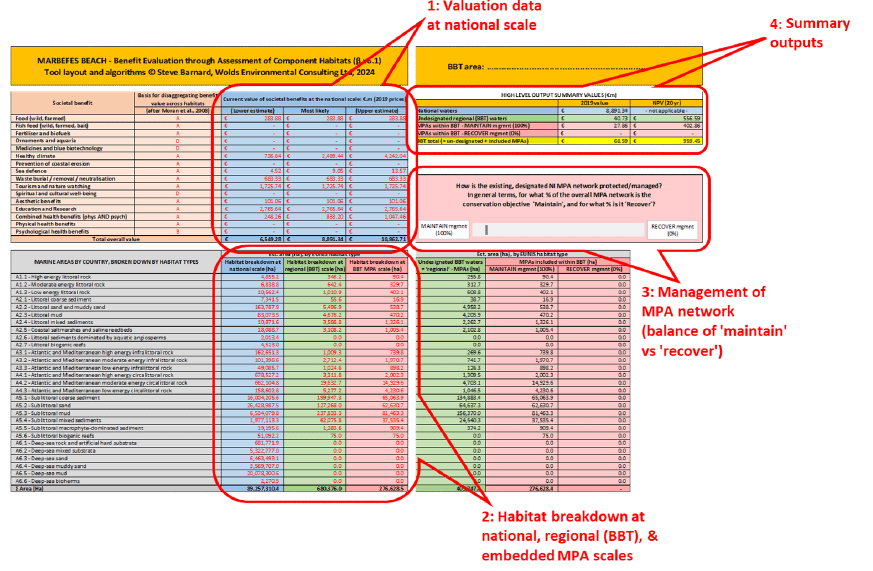
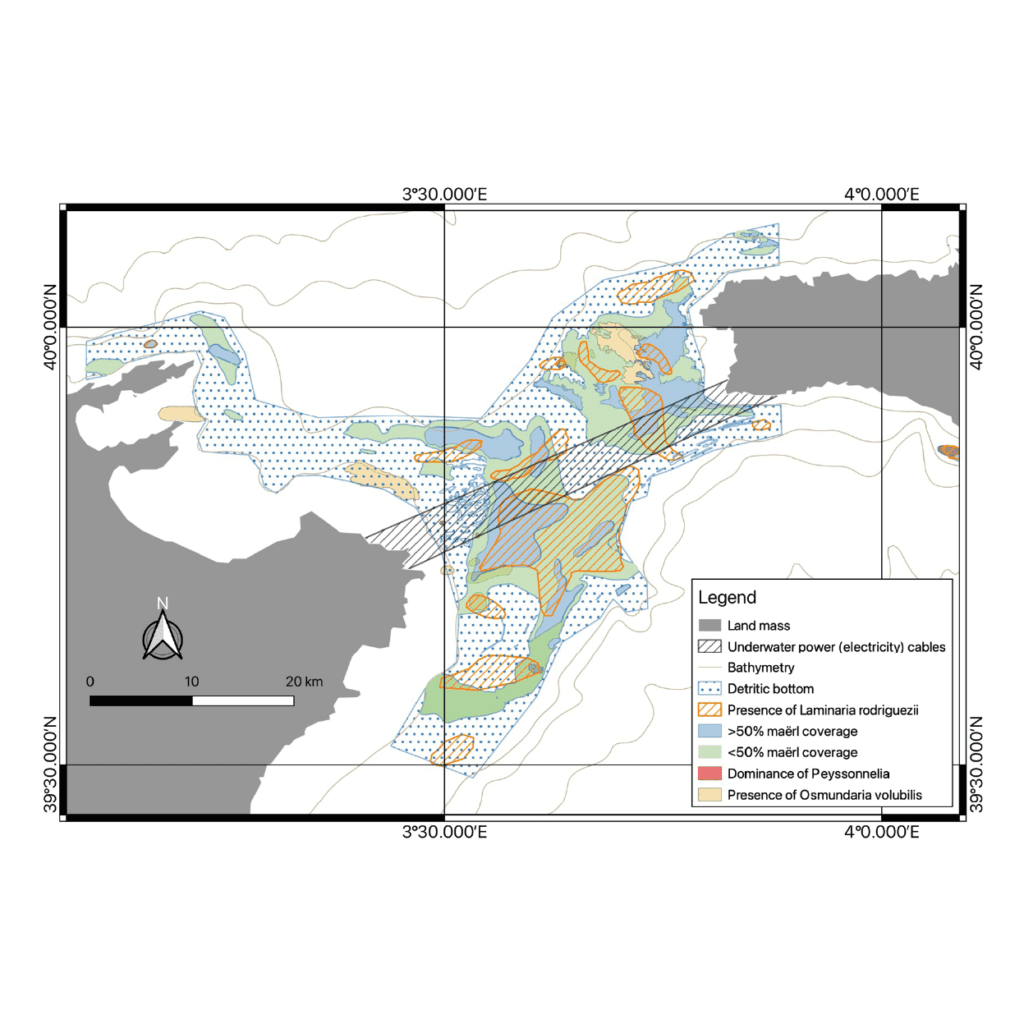
Uses a published methodology for estimating the value of marine environments at sub-national scales, for management purposes. Integrates natural capital accounting with spatial mapping of marine habitats, based on understanding of the links between habitats and ecosystem services.
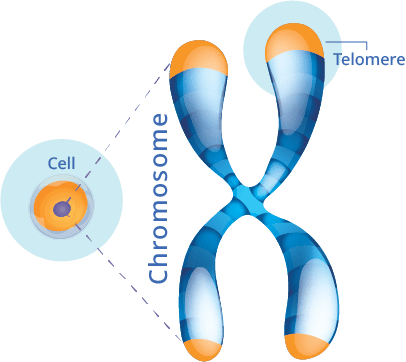
Telomeres are the end-part of chromosomes and protect them from progressive degradation. Stress can lead to telomere shortening, in turn causing accelerated physical ageing and decreasing lifespan. Measuring this can indicate sub-lethal stress.
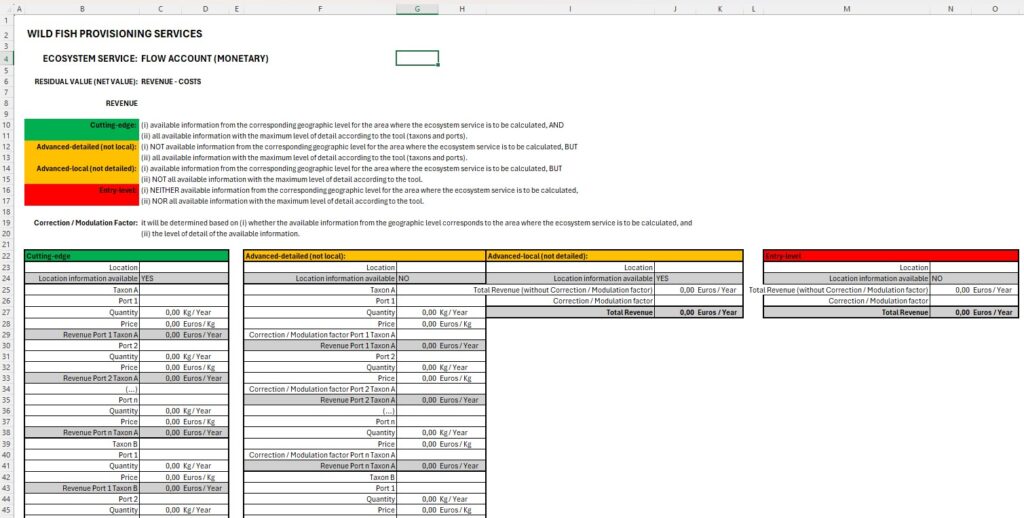
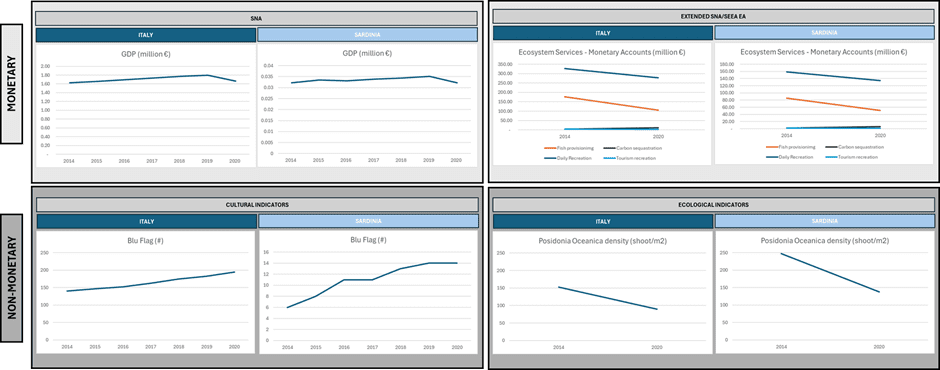
A simplified instrument for estimating the value of ecosystem services adapted to the available information. Three categories are considered: 1) provisioning (wild fish), 2) regulating and maintenance (global climate regulation) and 3) cultural (recreation and visual amenity).
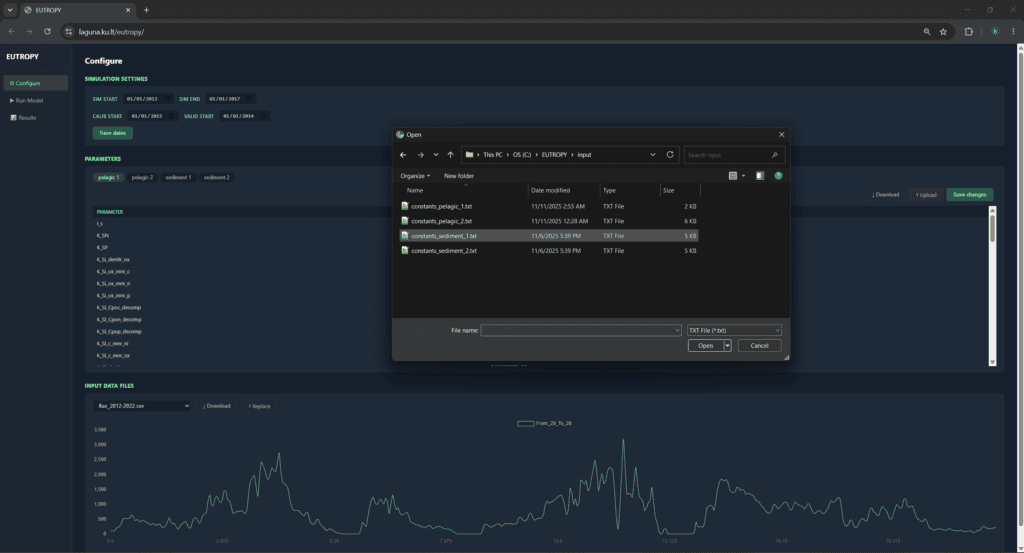
Model to integrate nutrient loading pathways, ecosystem responses, and management scenarios in aquatic systems. It provides simplified long-term simulations of scenarios across lakes, lagoons, estuaries, and coastal waters.
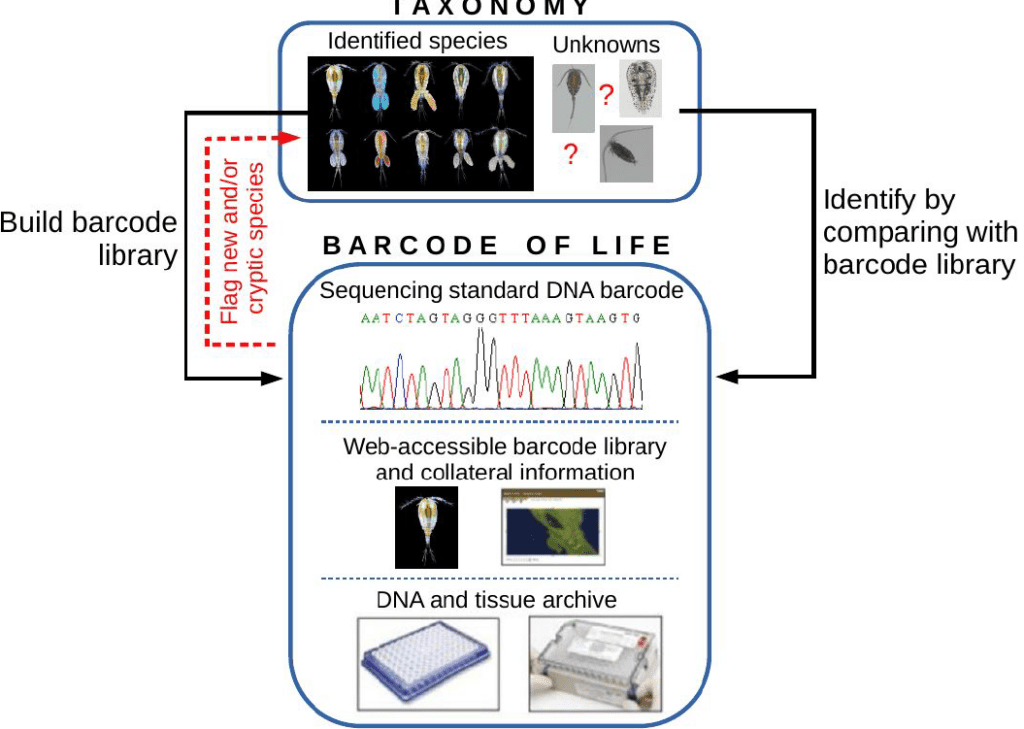
Environmental DNA (eDNA) from organisms is detectable in the environment, using shed material (skin, mucus, faeces etc.). It traces the presence of species without need for capture or direct observations.
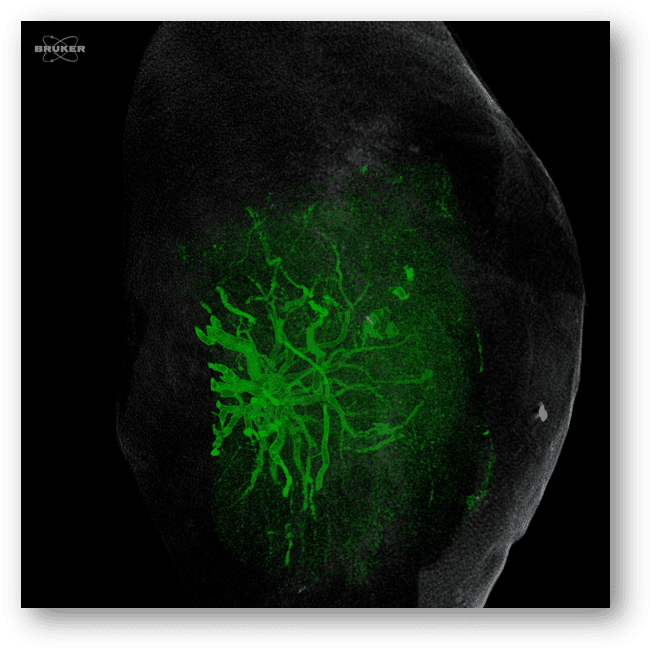
An X-ray imaging technique to produce 3D visualization of both internal and external structures of marine organisms (plankton, sponges etc.). It can provide insights on changes in key species functions (filtration, reef-building etc.) in response to environmental changes.
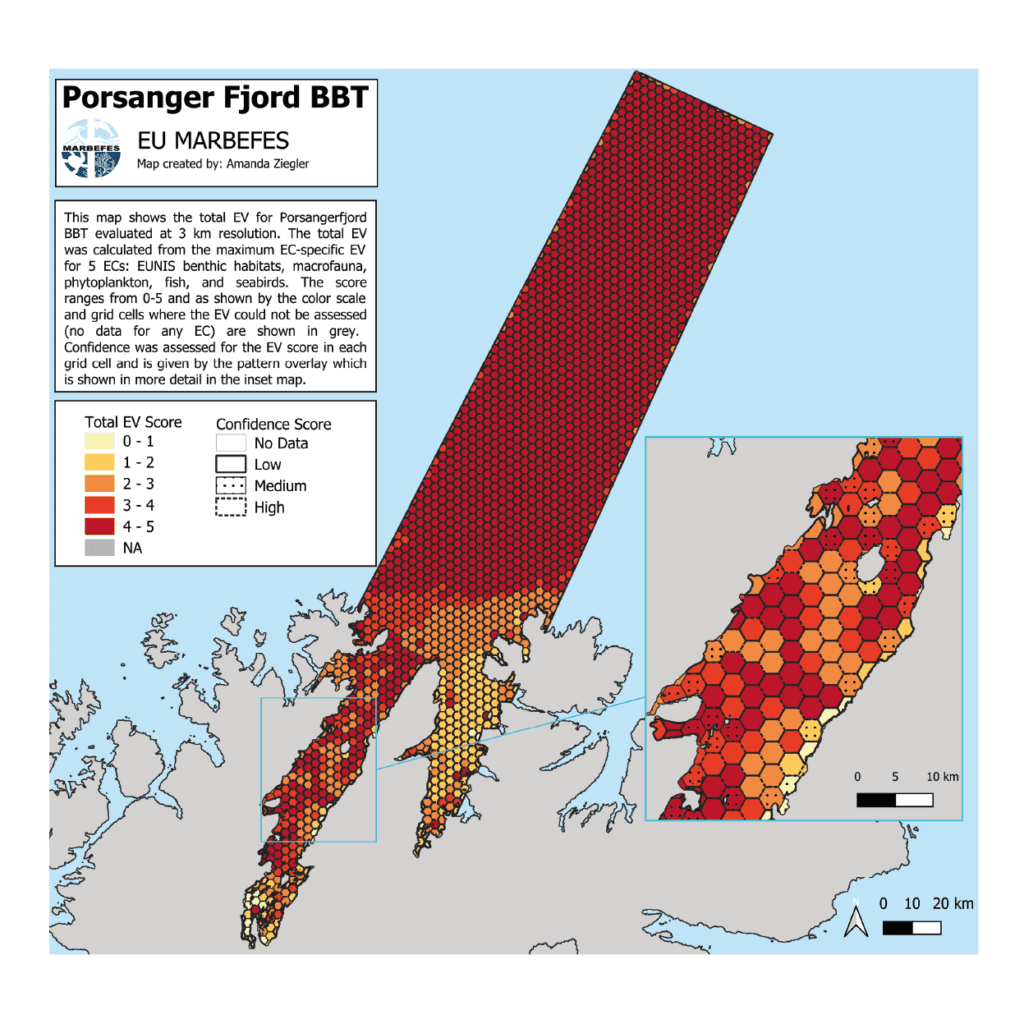
Assigning ecological value to an area through integration of the inherent value of the various ecosystem components, independent of human uses and is measured in non-monetary terms.
Assesses and visualises the capacity of benthic habitats to sustain key ecosystem functions across the seascape. Standardises the potential contribution of processes such as nutrient cycling, primary production, bioturbation and carbon storage.
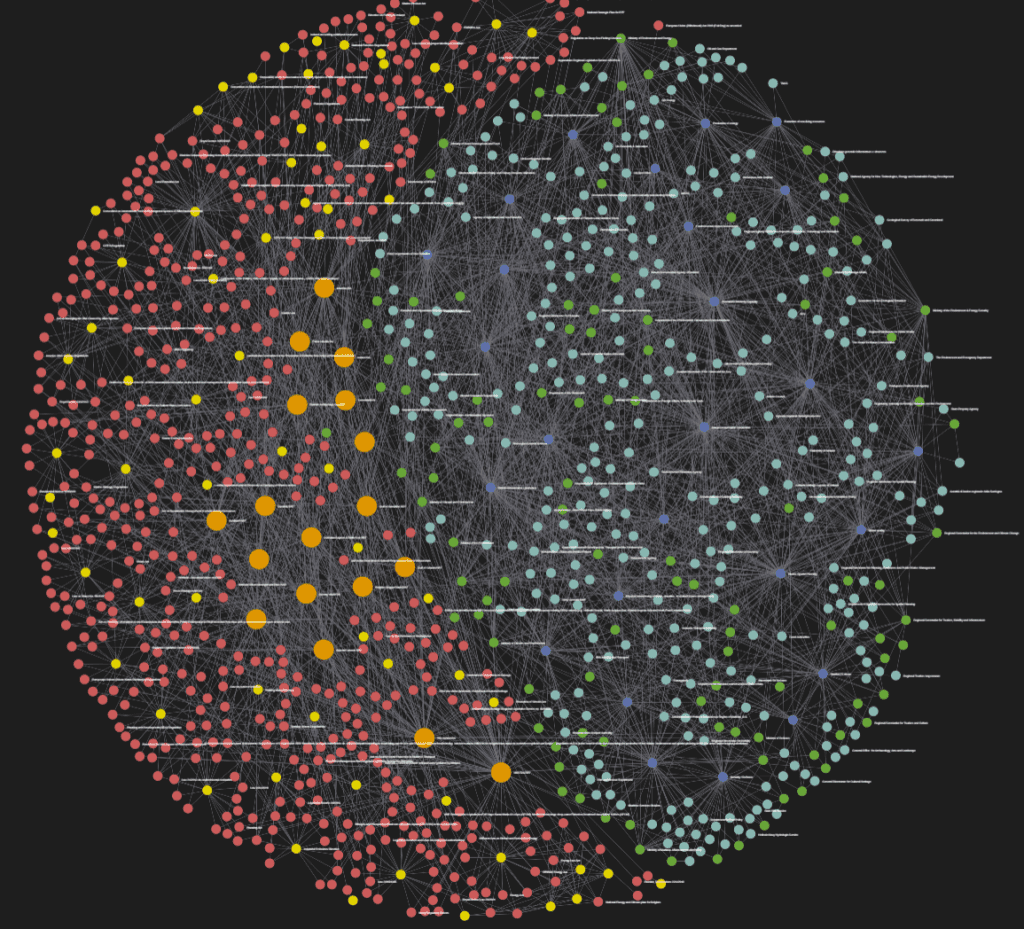
The HG&OG Tool is an interactive platform that visualizes connections between European legislation, organizations, policies, and MARBEFES BBTs, making complex governance relationships easier to explore and understand.