Deriving faunal function from Zooscan imagery
Digital scanning of individual organisms to calculate size and biomass. This then can be collated with feeding and respiration information to provide improved estimates of population dynamics and overall ecosystem functioning.
Alternative Futures
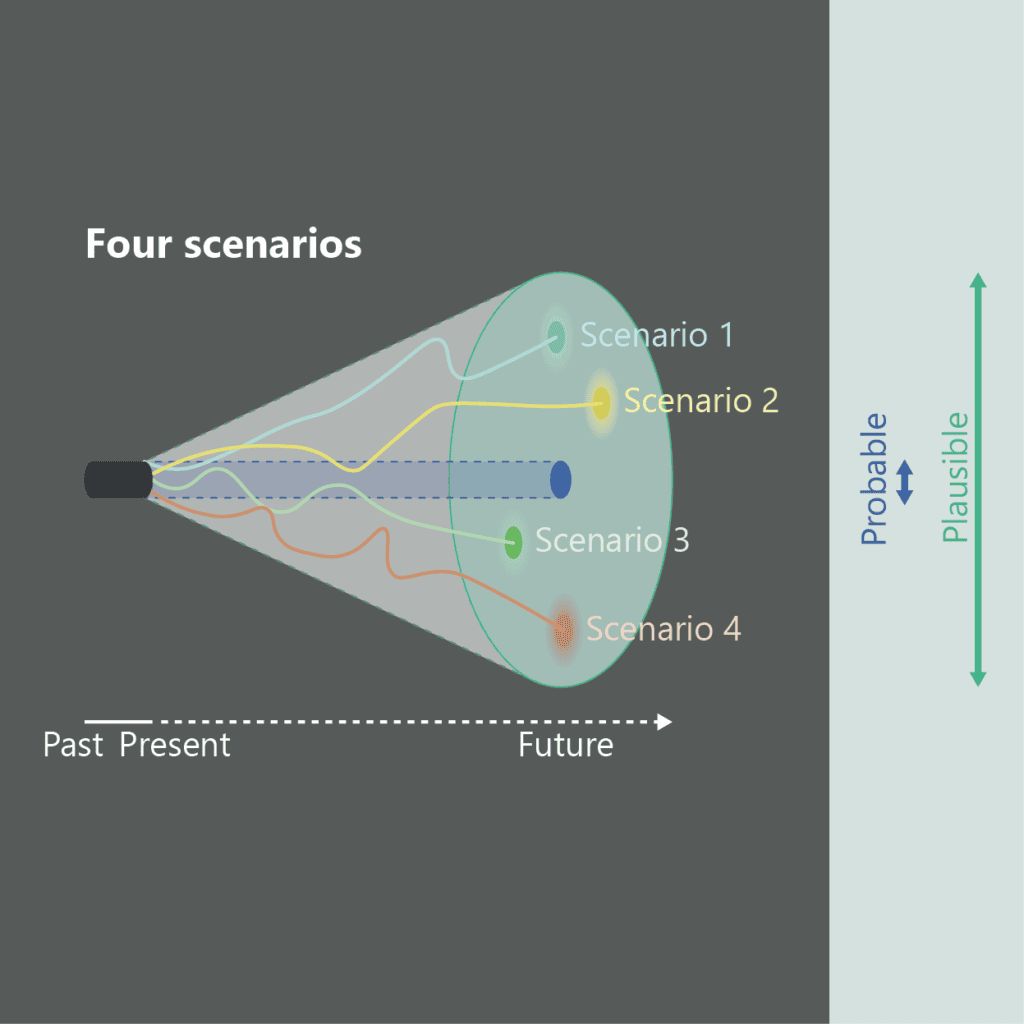
Takes current sets of environmental challenges and explores some of the possible future scenarios that plausibly may arise. It is a thought experiment to help promote and inform contingency planning for an uncertain future.
Physical Natural Capital Accounts
B4M
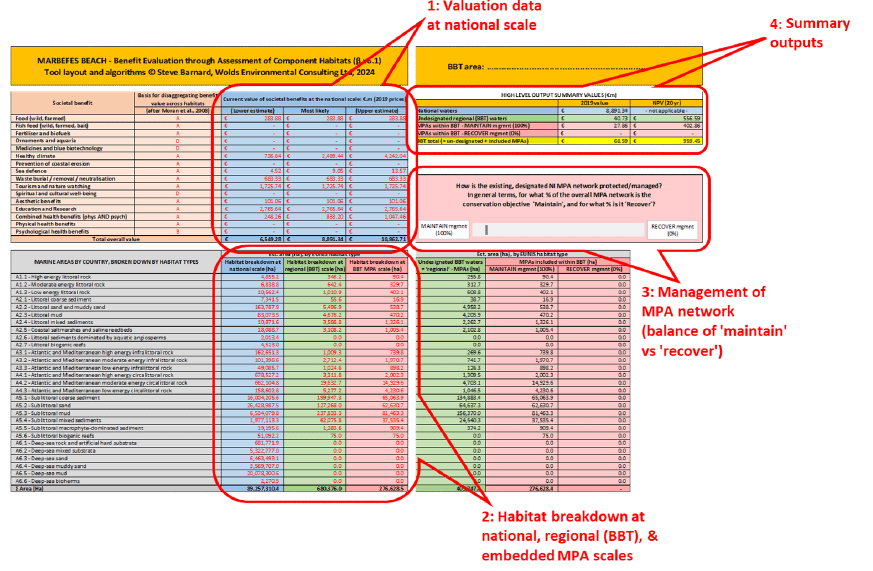
Uses a published methodology for estimating the value of marine environments at sub-national scales, for management purposes. Integrates natural capital accounting with spatial mapping of marine habitats, based on understanding of the links between habitats and ecosystem services.
eDNA
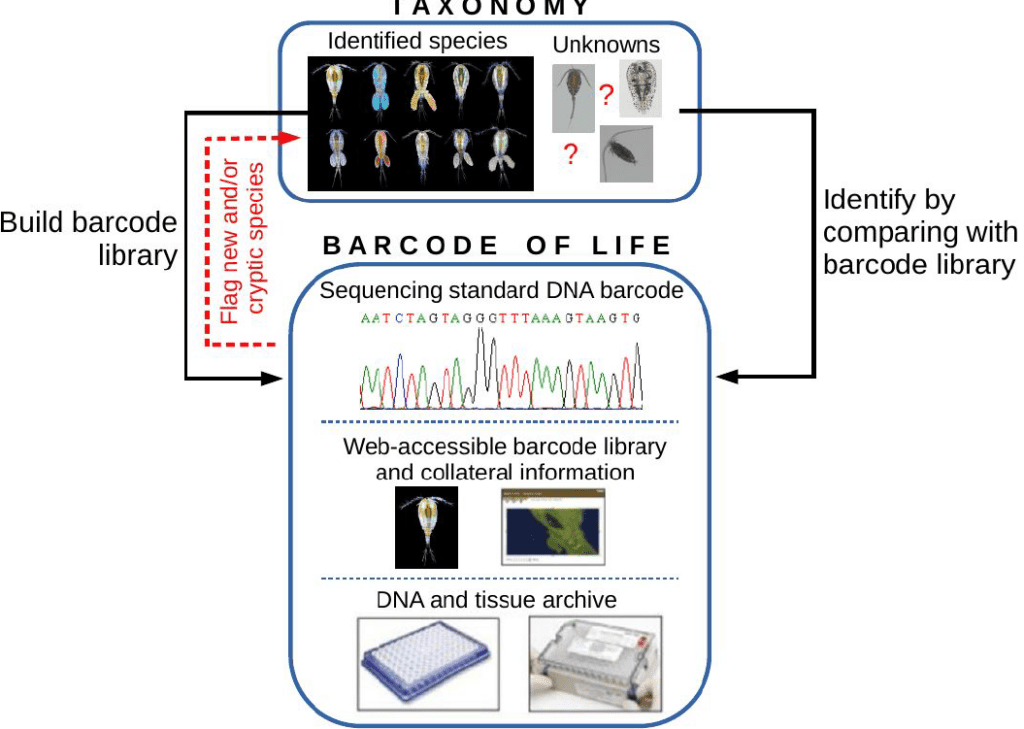
Environmental DNA (eDNA) from organisms is detectable in the environment, using shed material (skin, mucus, faeces etc.). It traces the presence of species without need for capture or direct observations.
Ecological Value Assessment
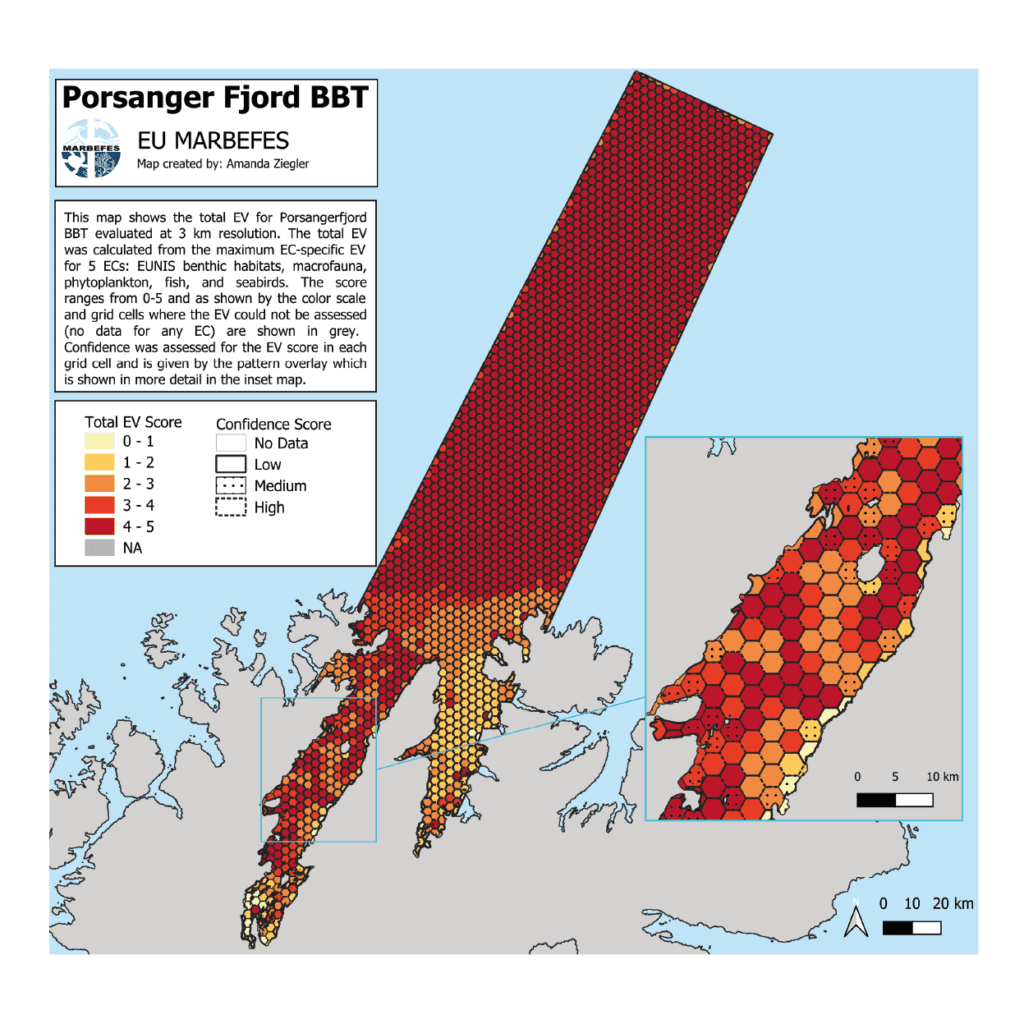
Assigning ecological value to an area through integration of the inherent value of the various ecosystem components, independent of human uses and is measured in non-monetary terms.
Metric of Habitat Function
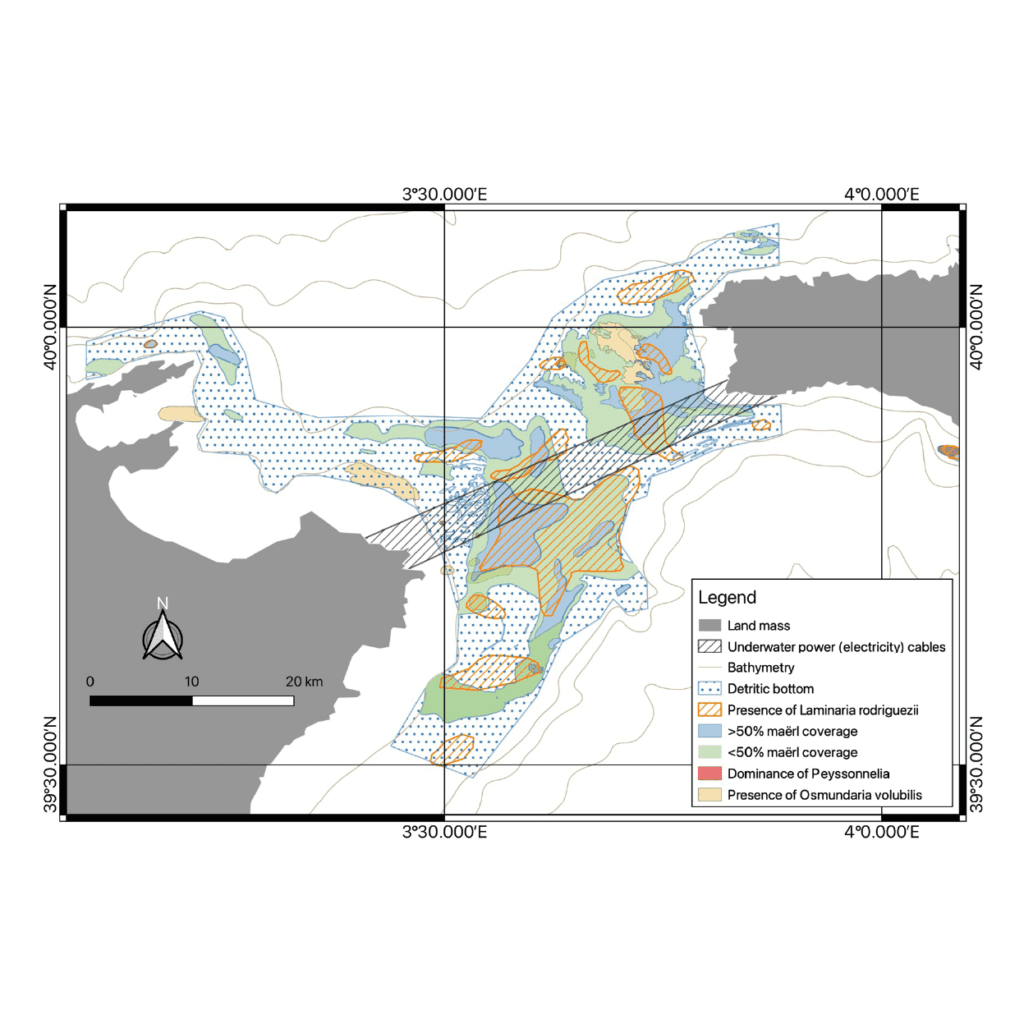
Assesses and visualises the capacity of benthic habitats to sustain key ecosystem functions across the seascape. Standardises the potential contribution of processes such as nutrient cycling, primary production, bioturbation and carbon storage.
Multi-scale TBA
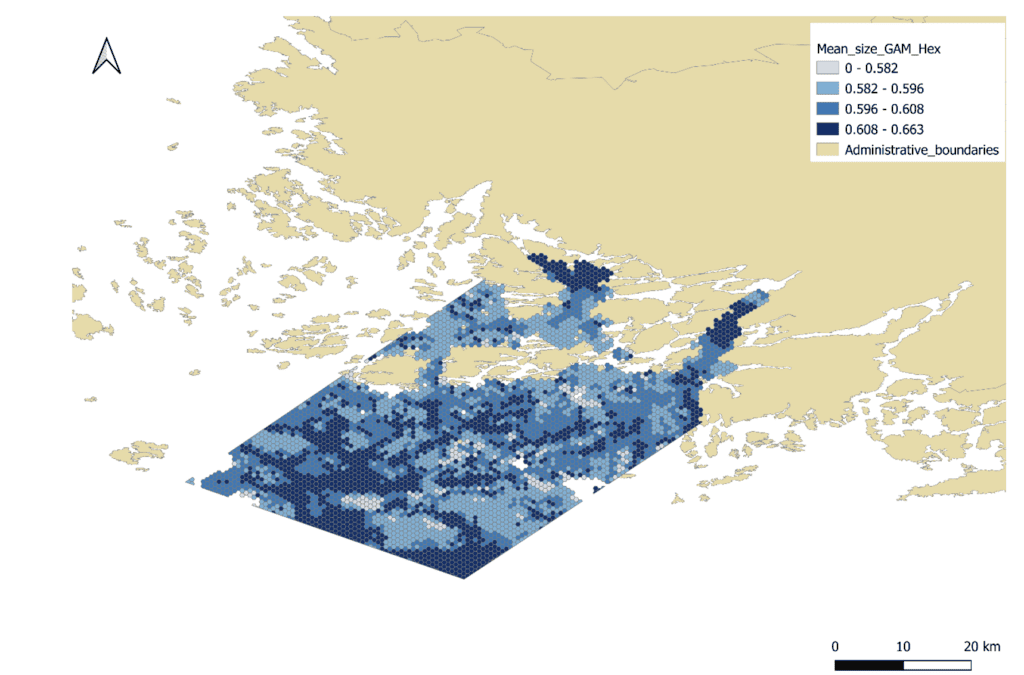
Traits are the life-behaviours of organisms (from single-celled plankton to large mammals). Their feeding and living modes are determined by their biological structure and combine to determine overall ecosystem function.
HG&OG tool
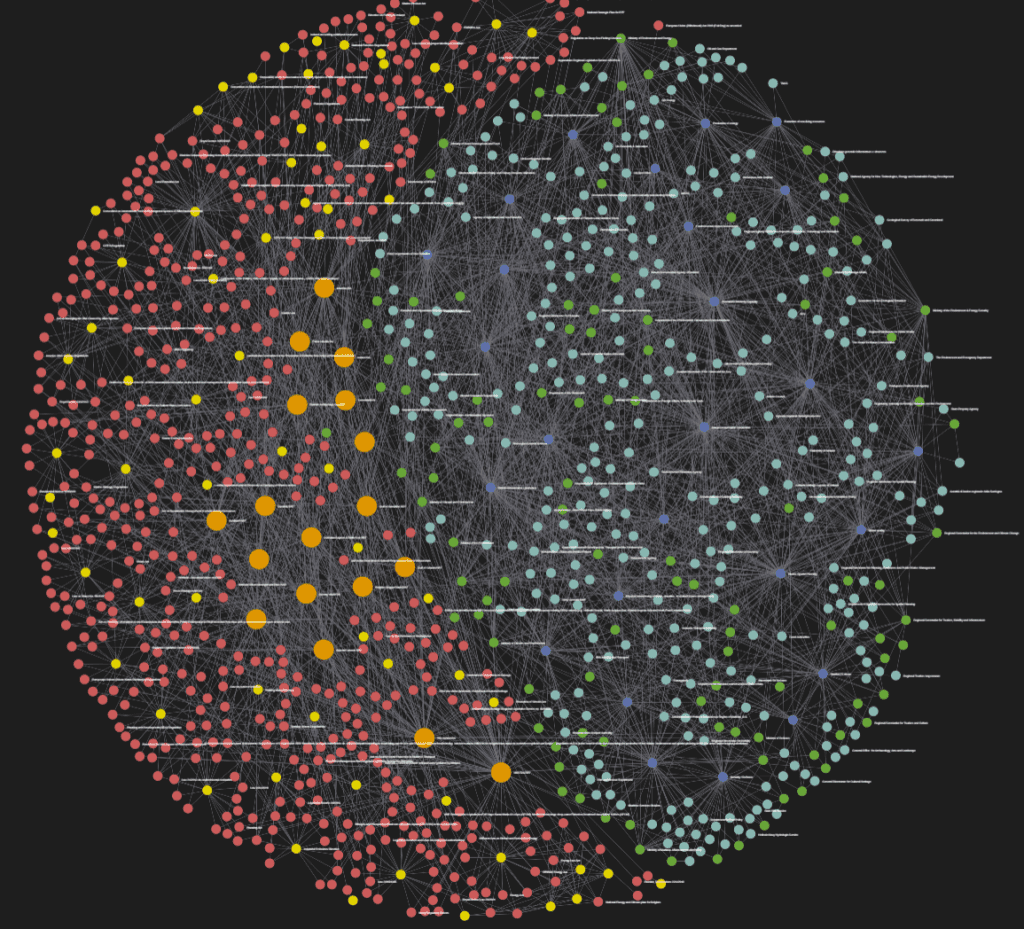
The HG&OG Tool is an interactive platform that visualizes connections between European legislation, organizations, policies, and MARBEFES BBTs, making complex governance relationships easier to explore and understand.