
Complementary Accounting Network
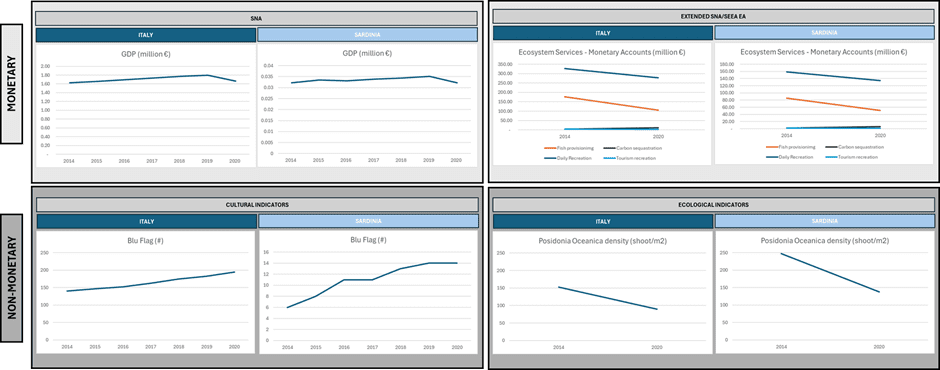
Combines both monetary and non-monetary aspects. Captures economic, ecological and socio-cultural dimensions (e.g., biodiversity and ecosystem services losses and gains, ecosystem health, inequality) over time at both national, regional or local scales.
EcoSEM

A simplified and highly visual representation of the different cause-and-effect relationships among the environmental components from which ecosystem function and services emerge.
EUTROPY
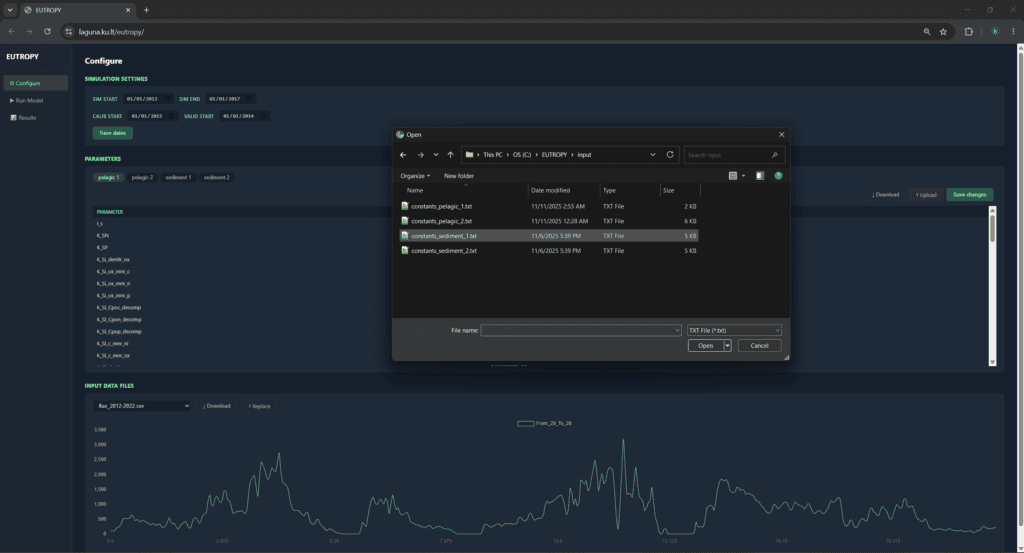
Model to integrate nutrient loading pathways, ecosystem responses, and management scenarios in aquatic systems. It provides simplified long-term simulations of scenarios across lakes, lagoons, estuaries, and coastal waters.
eDNA
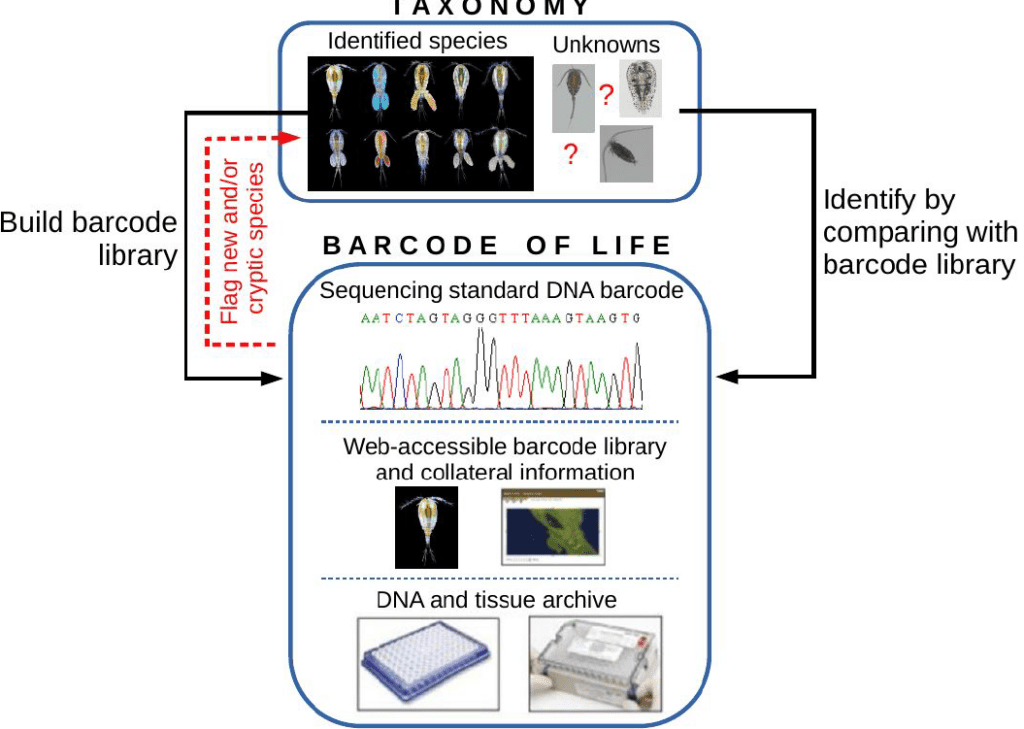
Environmental DNA (eDNA) from organisms is detectable in the environment, using shed material (skin, mucus, faeces etc.). It traces the presence of species without need for capture or direct observations.
Ecological Value Assessment
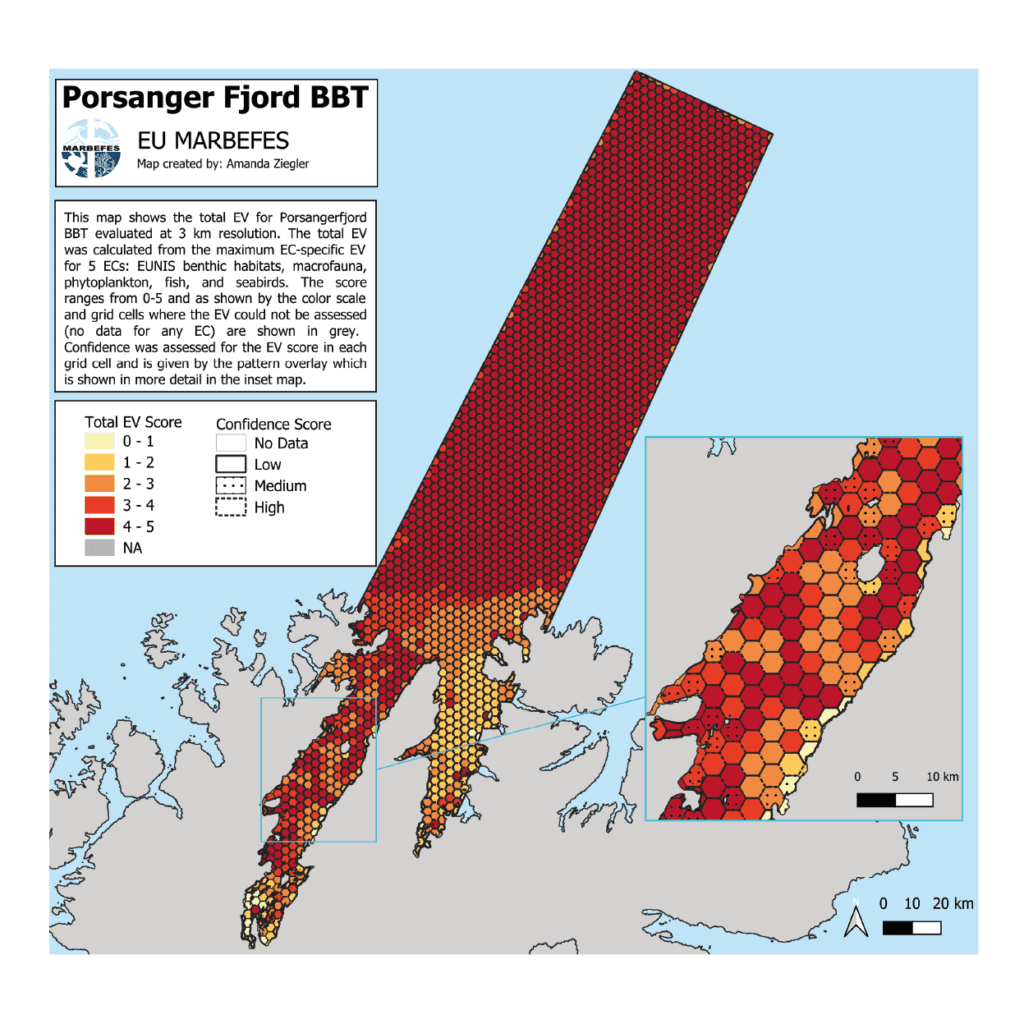
Assigning ecological value to an area through integration of the inherent value of the various ecosystem components, independent of human uses and is measured in non-monetary terms.
Ecological interaction networks
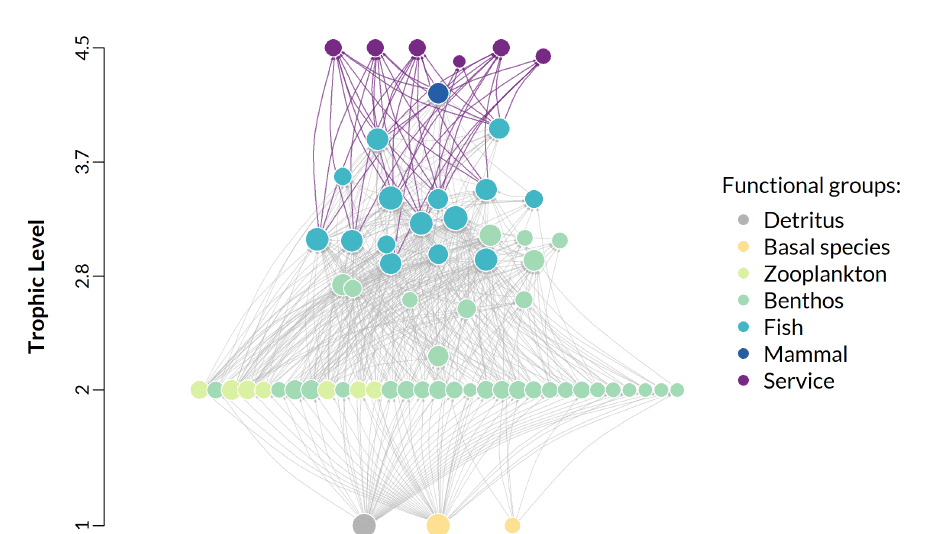
Based on known food-web interactions and highlights the relationship between structure (eg. topology) and functioning (energy fluxes) in marine ecological communities.
Multi-scale TBA
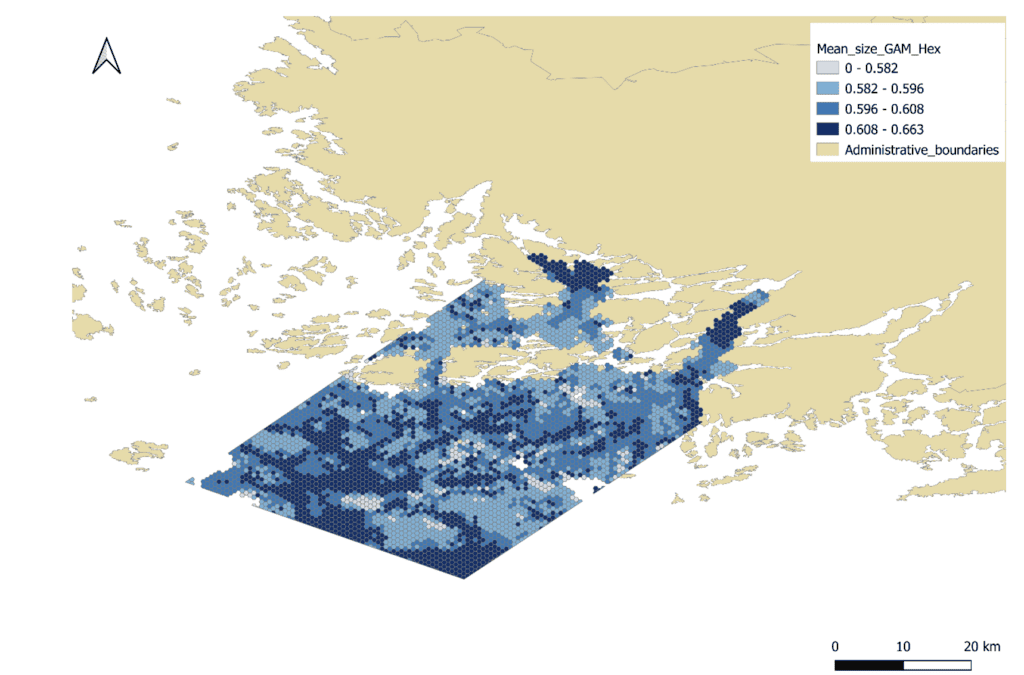
Traits are the life-behaviours of organisms (from single-celled plankton to large mammals). Their feeding and living modes are determined by their biological structure and combine to determine overall ecosystem function.