
Travel Cost

Estimates the recreational value of natural locations by analysing how much people will pay to visit it. The difference between the maximum amount a visitor is willing to pay for visiting the site and the actual cost incurred in traveling to the site is the “consumer surplus” and can be used as a monetary expression of the value of the site.
Hedonic Pricing
EcoSEM

A simplified and highly visual representation of the different cause-and-effect relationships among the environmental components from which ecosystem function and services emerge.
Physical Natural Capital Accounts
EcoFunMAP + PlanWise4Blue
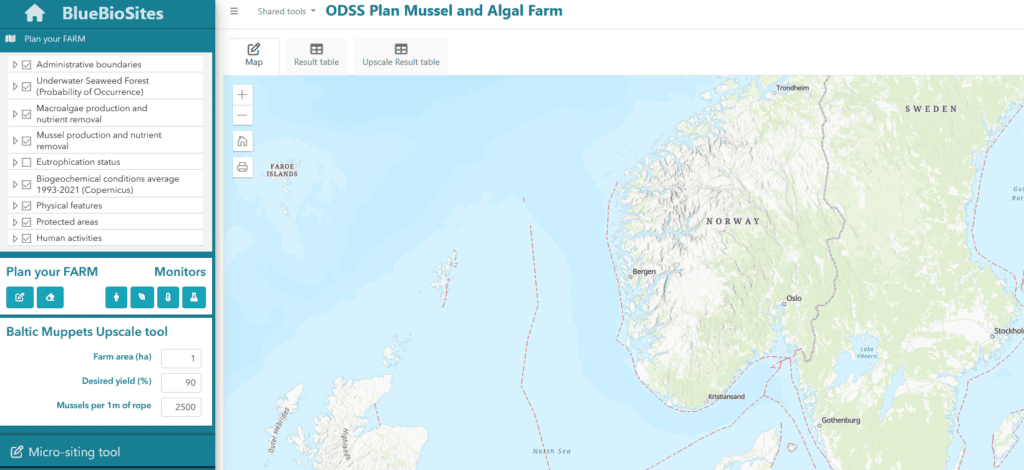
A cumulative impact assessment tool that combines with EcoFunMAP (Food Web-based Ecosystem Functioning Mapping and Assessment Platform). Integrates food-web modelling with species biomass to map indicators of food-web structure, stability, and functioning at scales relevant for marine spatial planning.
B4M
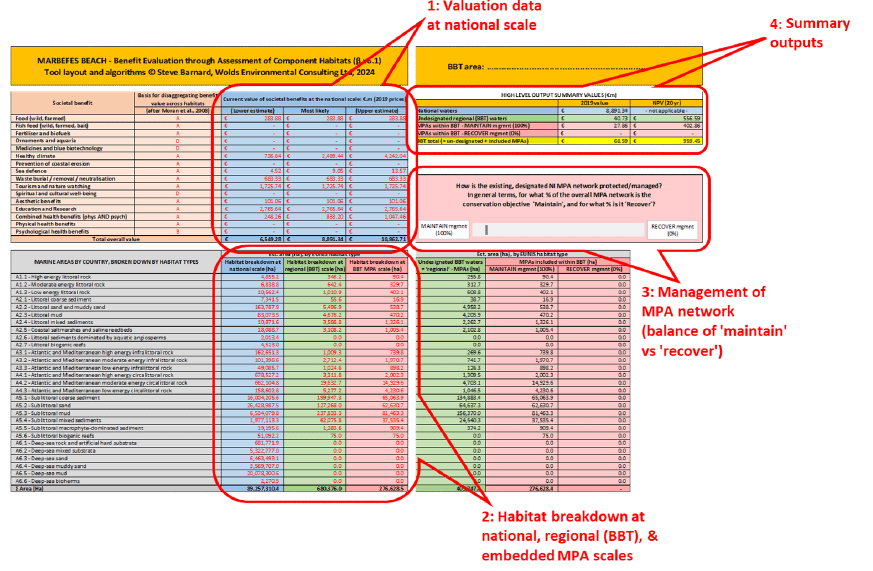
Uses a published methodology for estimating the value of marine environments at sub-national scales, for management purposes. Integrates natural capital accounting with spatial mapping of marine habitats, based on understanding of the links between habitats and ecosystem services.
Benefit Transfer
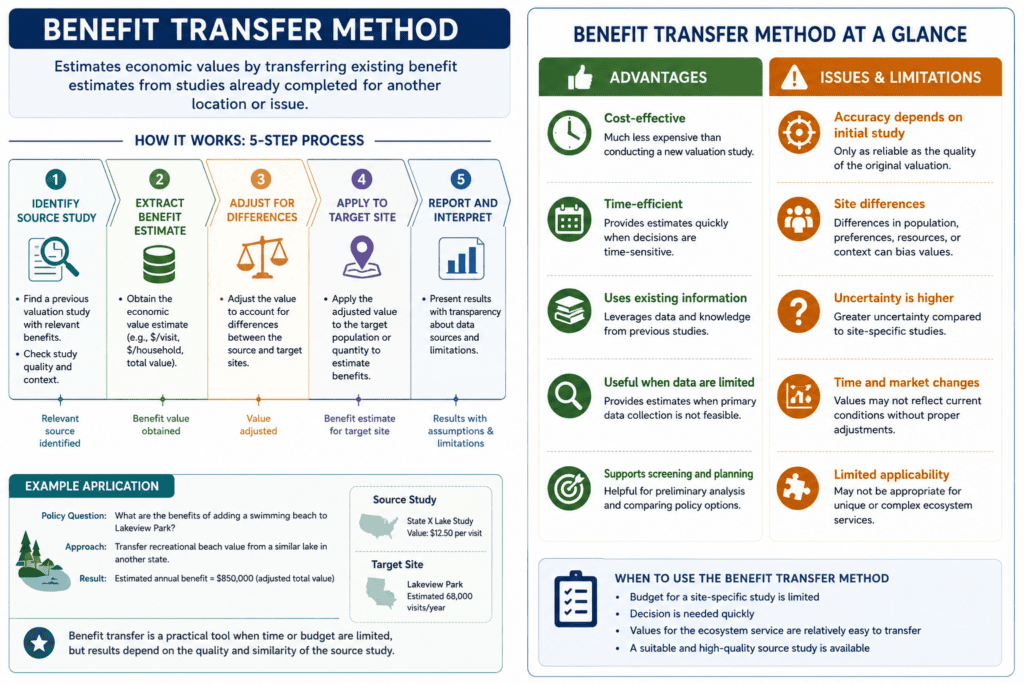
A set of techniques to estimate the economic value of non-market ecosystem services at a target site.
EUTROPY
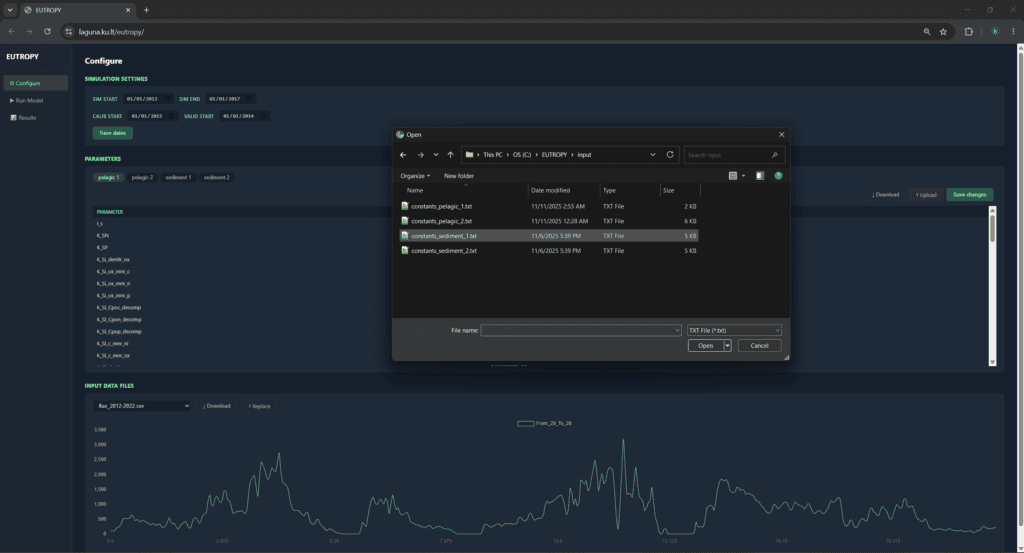
Model to integrate nutrient loading pathways, ecosystem responses, and management scenarios in aquatic systems. It provides simplified long-term simulations of scenarios across lakes, lagoons, estuaries, and coastal waters.
eDNA
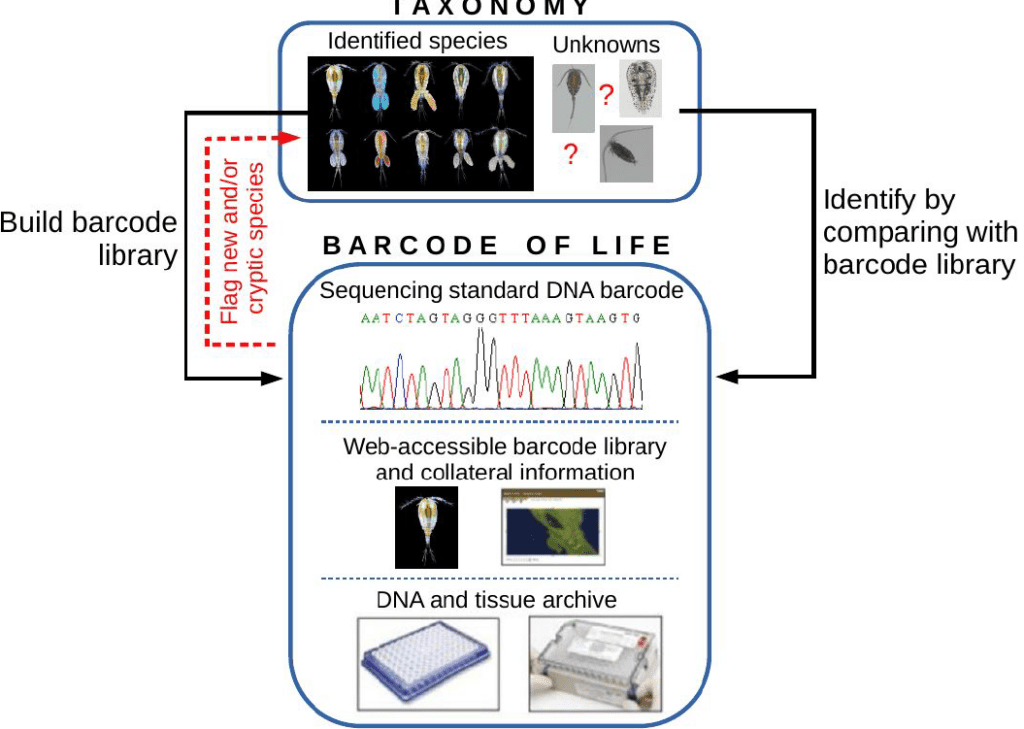
Environmental DNA (eDNA) from organisms is detectable in the environment, using shed material (skin, mucus, faeces etc.). It traces the presence of species without need for capture or direct observations.
Ecological Value Assessment
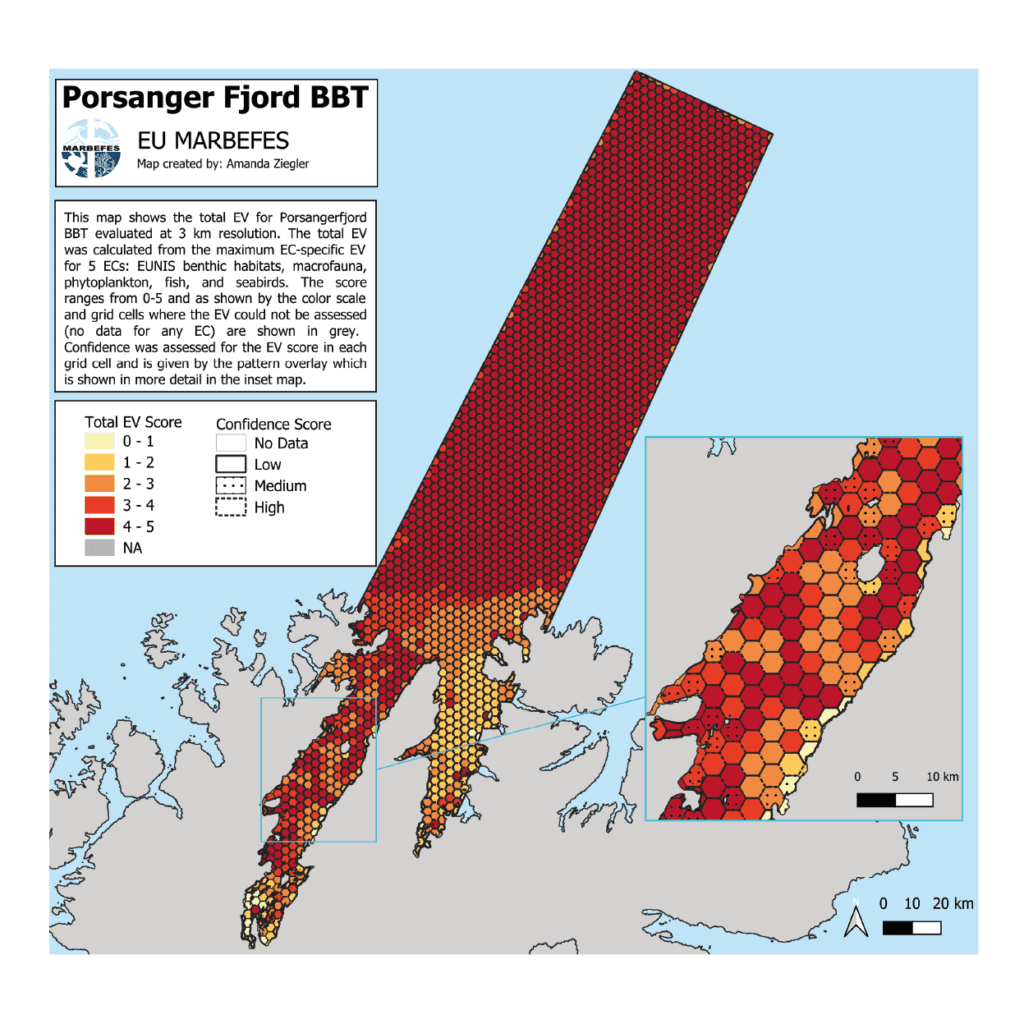
Assigning ecological value to an area through integration of the inherent value of the various ecosystem components, independent of human uses and is measured in non-monetary terms.