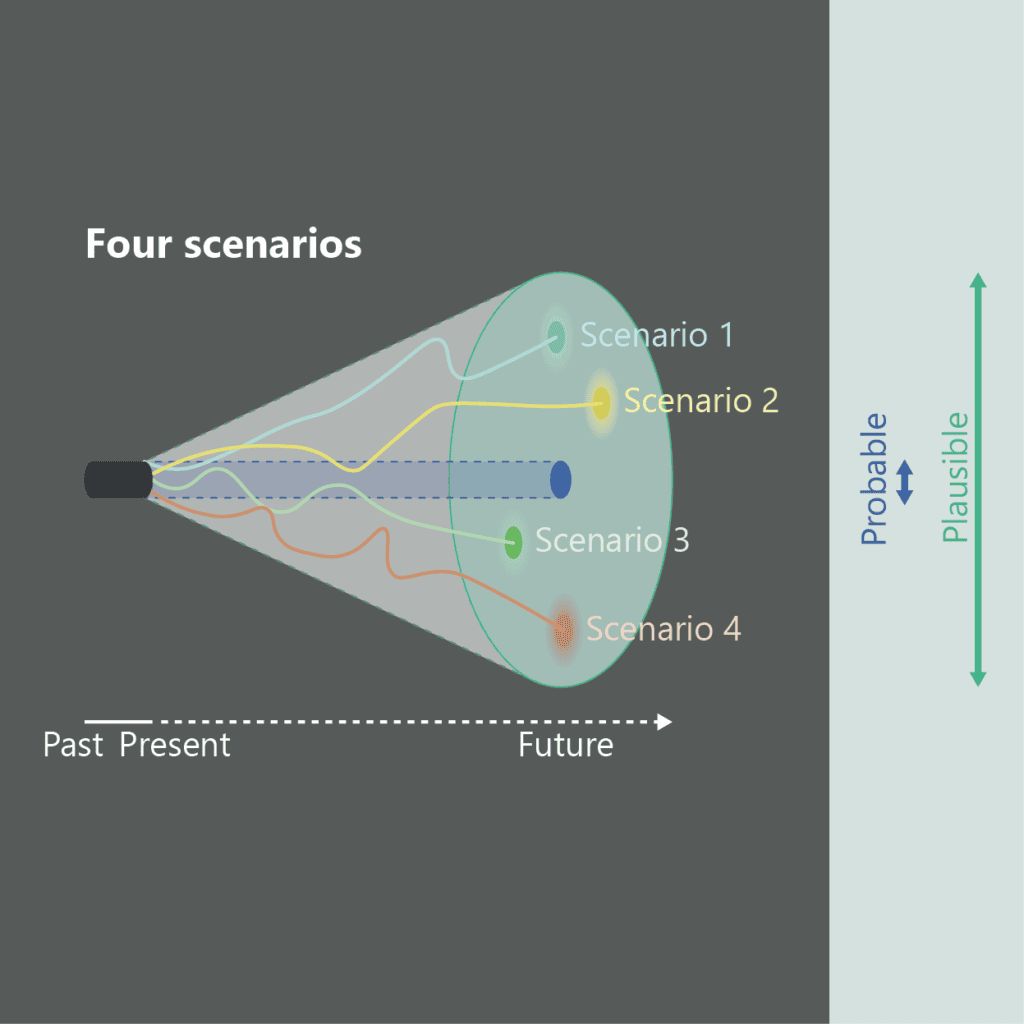
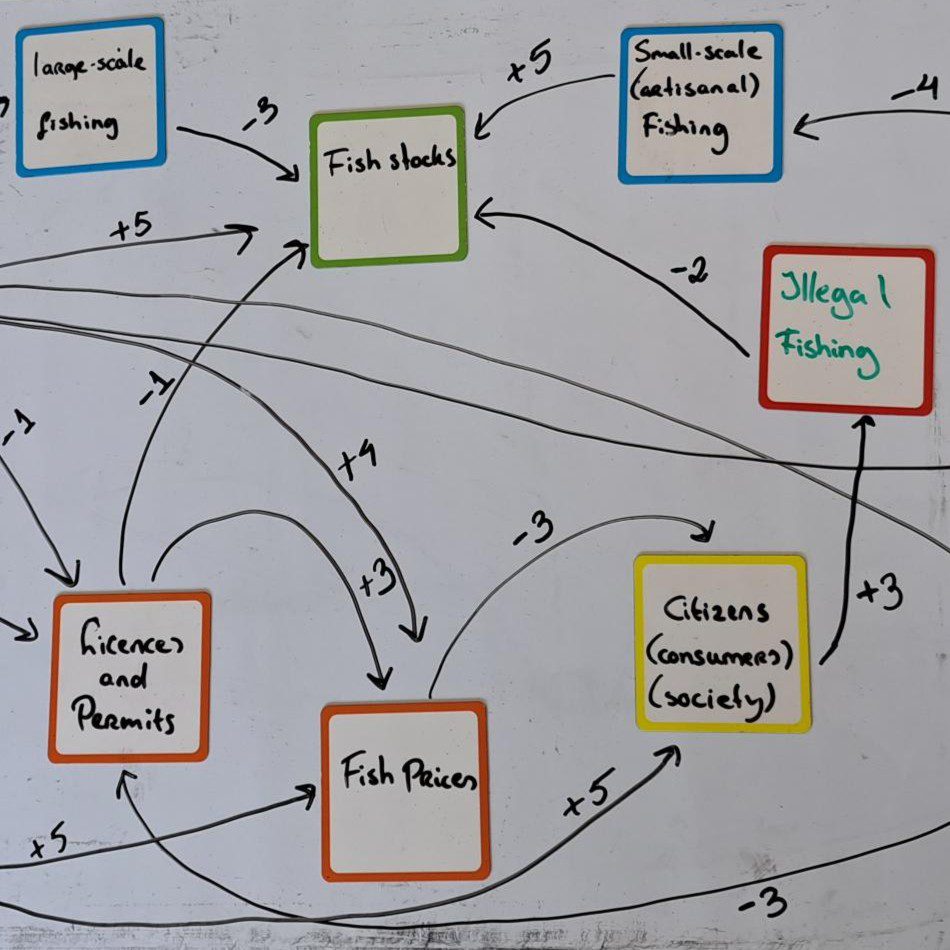
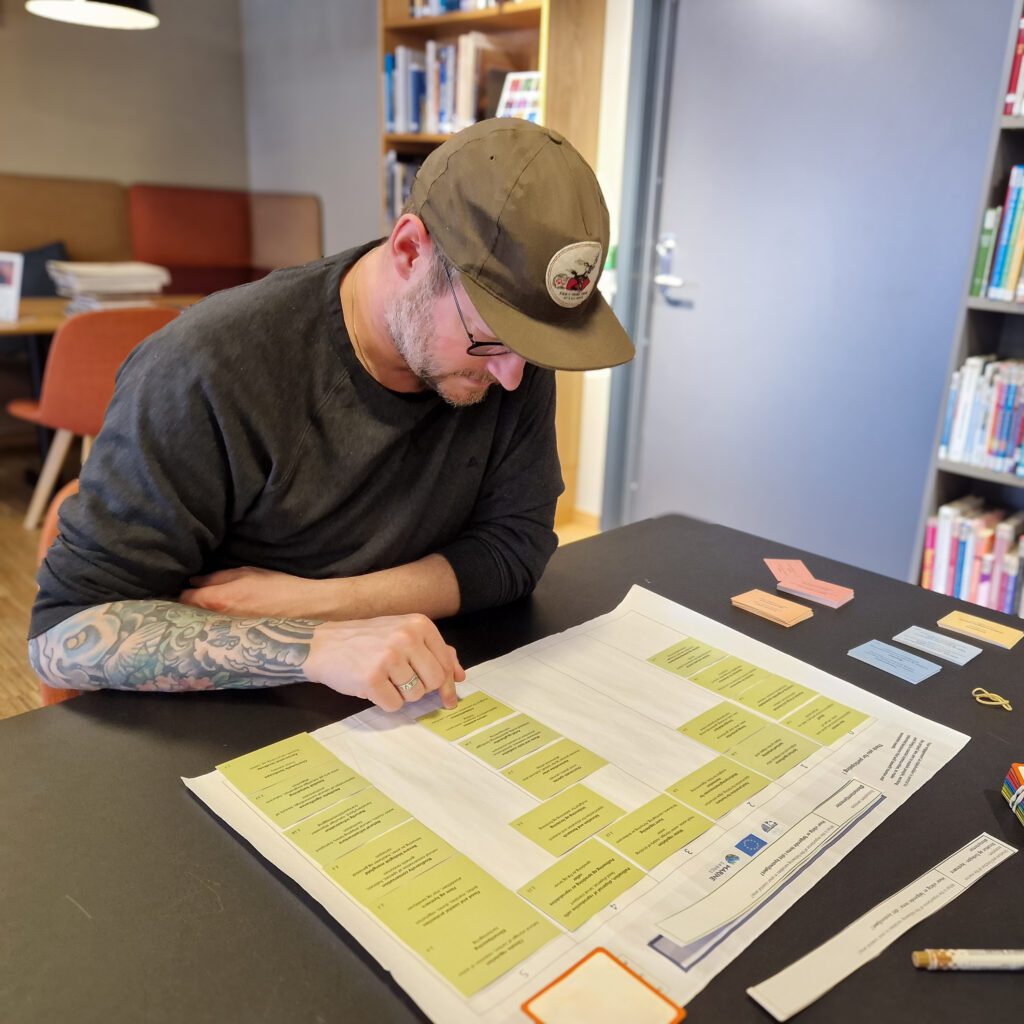
A structured risk and opportunity assessment methodology, based on ISO-accredited industry standards to analyse causes, consequences, and management options for biodiversity change in marine and coastal systems.
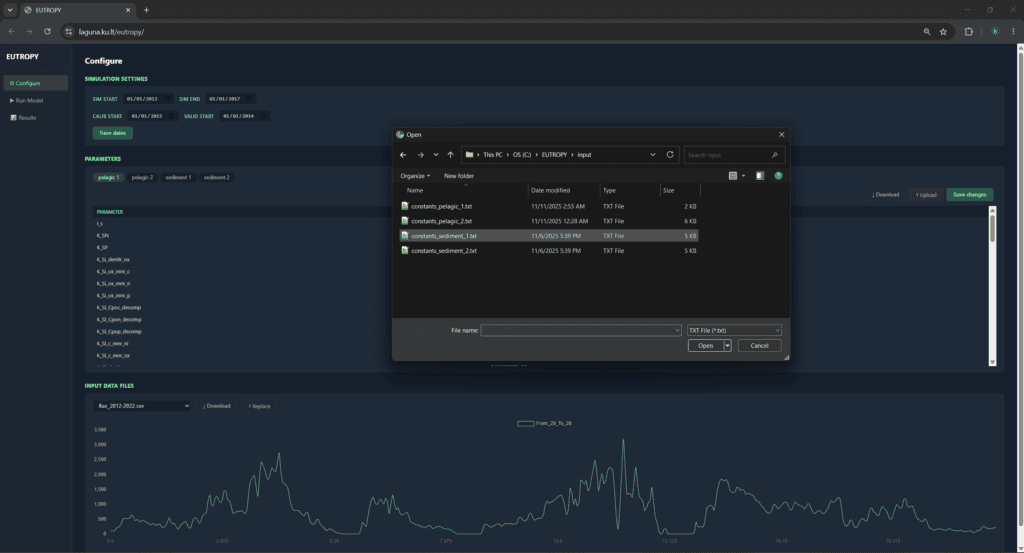
Model to integrate nutrient loading pathways, ecosystem responses, and management scenarios in aquatic systems. It provides simplified long-term simulations of scenarios across lakes, lagoons, estuaries, and coastal waters.
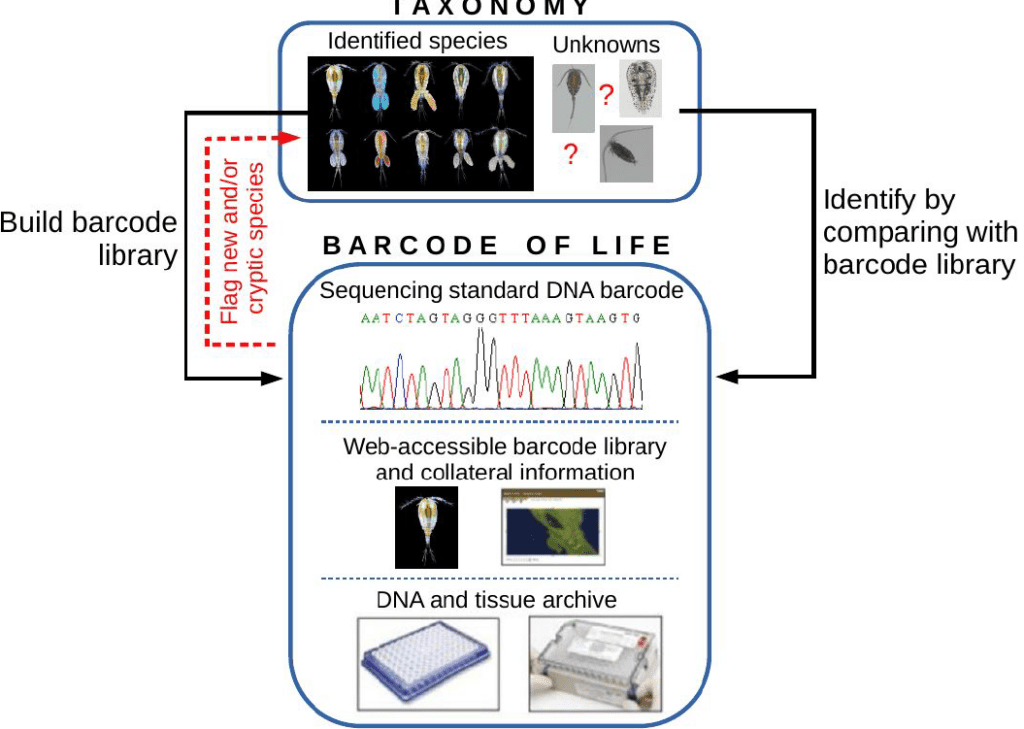
Environmental DNA (eDNA) from organisms is detectable in the environment, using shed material (skin, mucus, faeces etc.). It traces the presence of species without need for capture or direct observations.
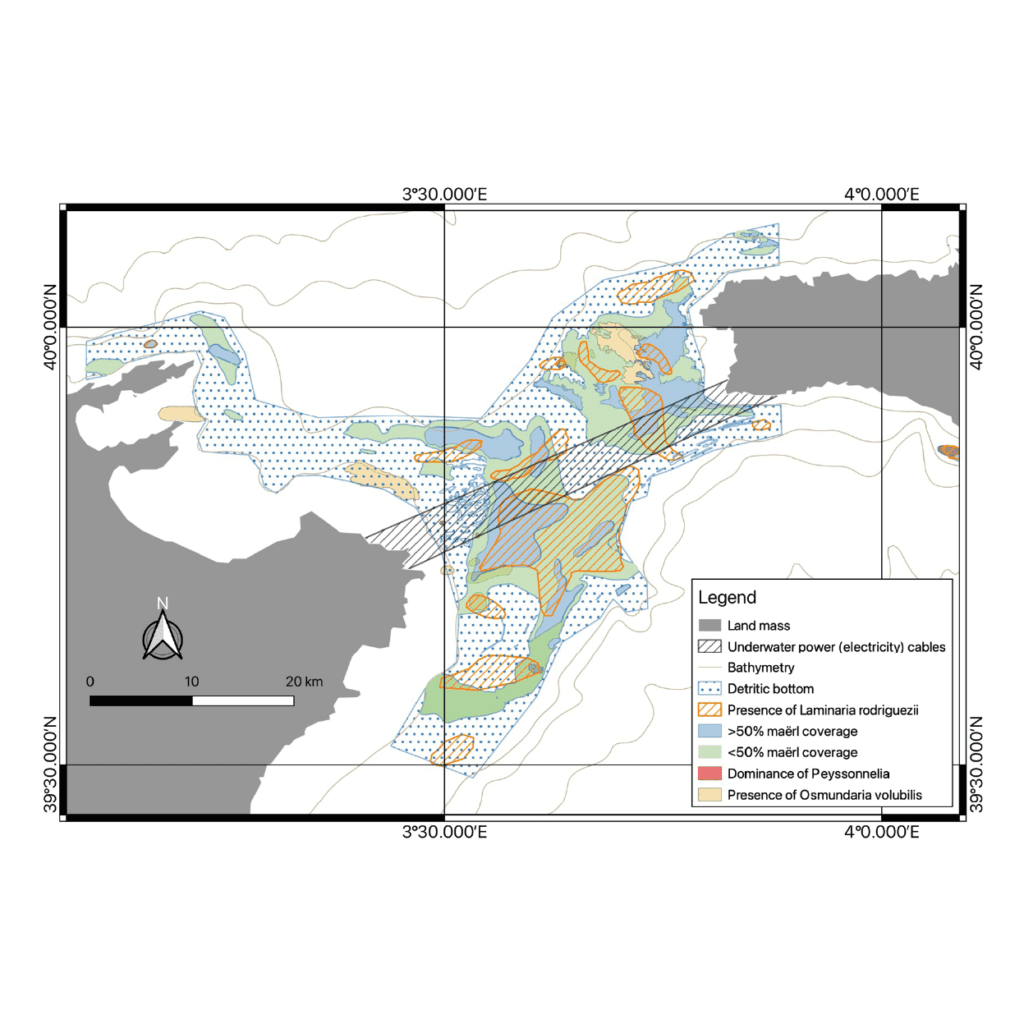
Assesses and visualises the capacity of benthic habitats to sustain key ecosystem functions across the seascape. Standardises the potential contribution of processes such as nutrient cycling, primary production, bioturbation and carbon storage.
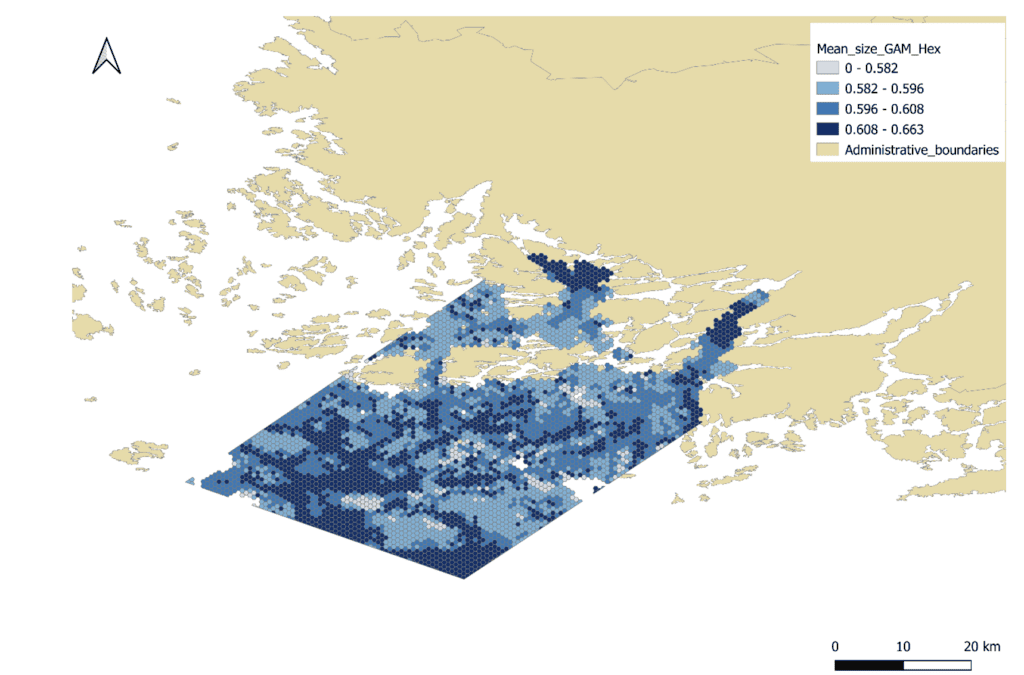
Traits are the life-behaviours of organisms (from single-celled plankton to large mammals). Their feeding and living modes are determined by their biological structure and combine to determine overall ecosystem function.
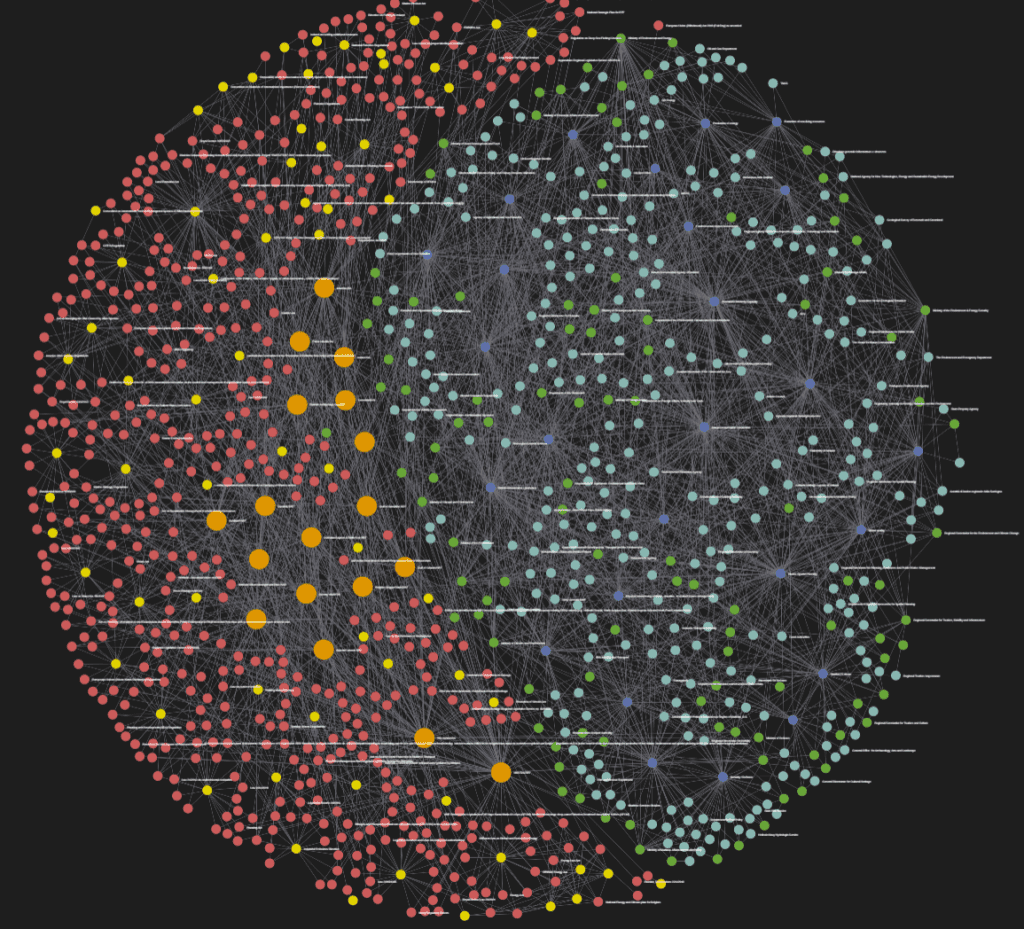
The HG&OG Tool is an interactive platform that visualizes connections between European legislation, organizations, policies, and MARBEFES BBTs, making complex governance relationships easier to explore and understand.