
Complementary Accounting Network
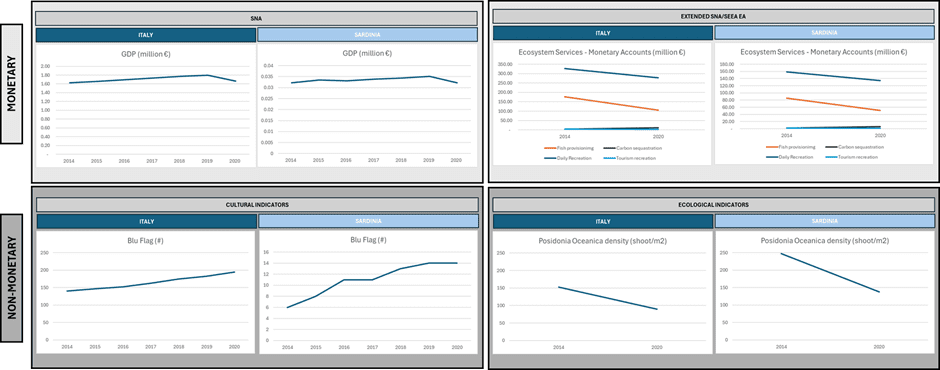
Combines both monetary and non-monetary aspects. Captures economic, ecological and socio-cultural dimensions (e.g., biodiversity and ecosystem services losses and gains, ecosystem health, inequality) over time at both national, regional or local scales.
EcoSEM
A simplified and highly visual representation of the different cause-and-effect relationships among the environmental components from which ecosystem function and services emerge.
Alternative Futures
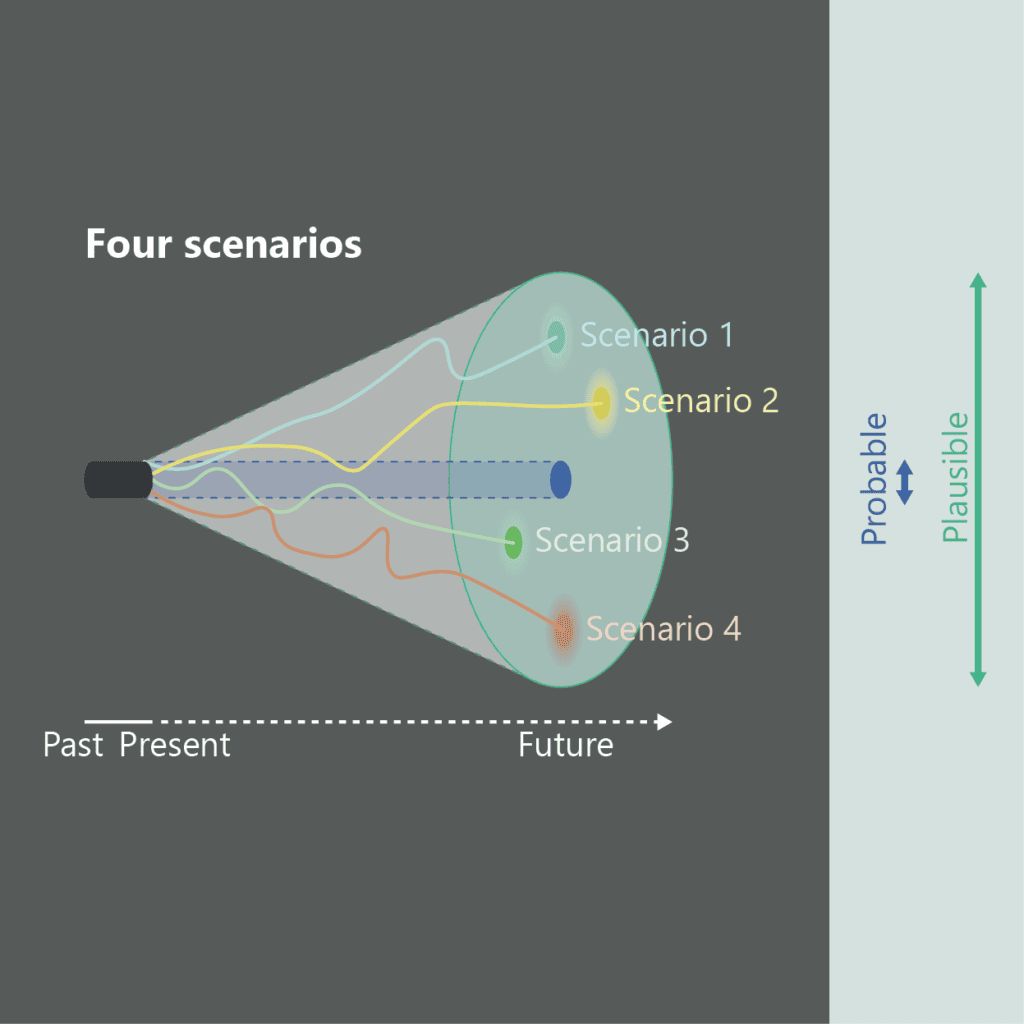
Takes current sets of environmental challenges and explores some of the possible future scenarios that plausibly may arise. It is a thought experiment to help promote and inform contingency planning for an uncertain future.
B4M
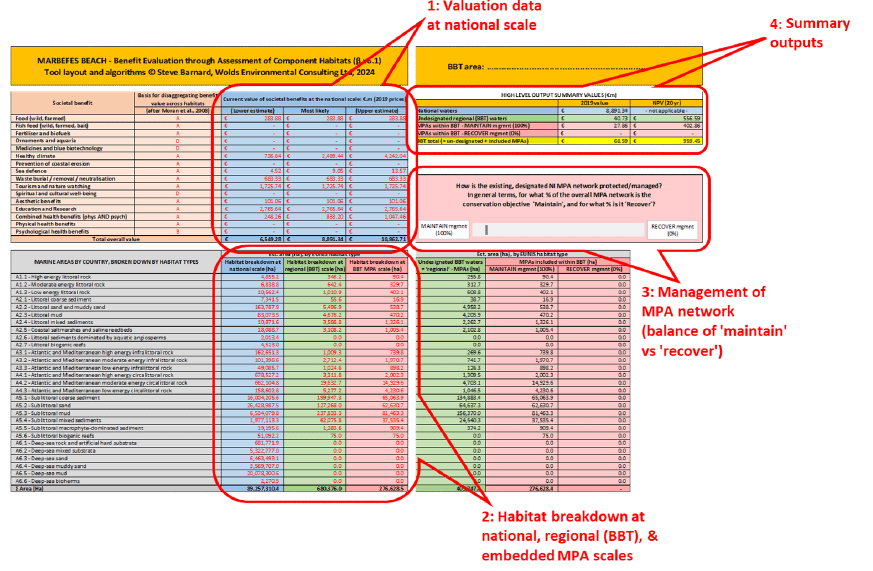
Uses a published methodology for estimating the value of marine environments at sub-national scales, for management purposes. Integrates natural capital accounting with spatial mapping of marine habitats, based on understanding of the links between habitats and ecosystem services.
EUTROPY
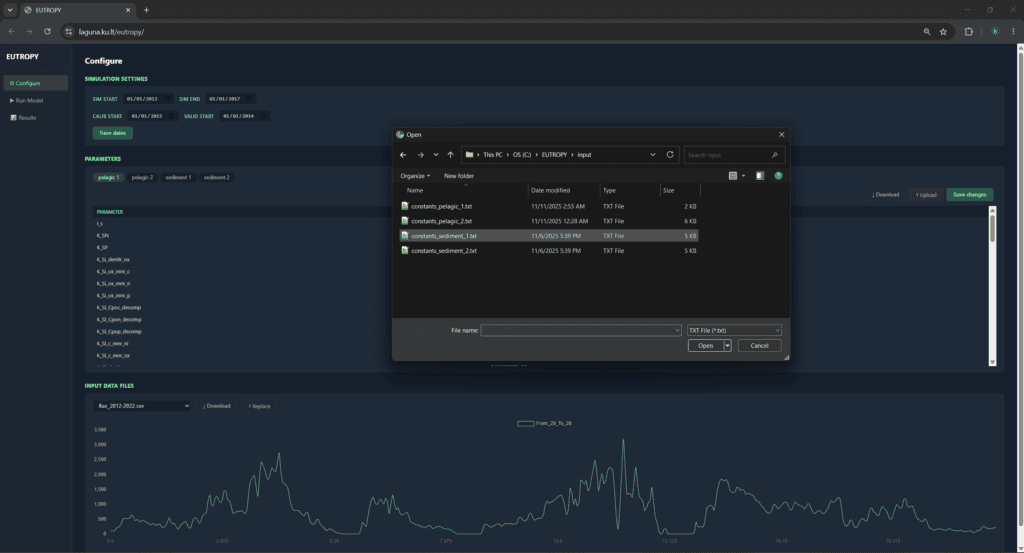
Model to integrate nutrient loading pathways, ecosystem responses, and management scenarios in aquatic systems. It provides simplified long-term simulations of scenarios across lakes, lagoons, estuaries, and coastal waters.
eDNA
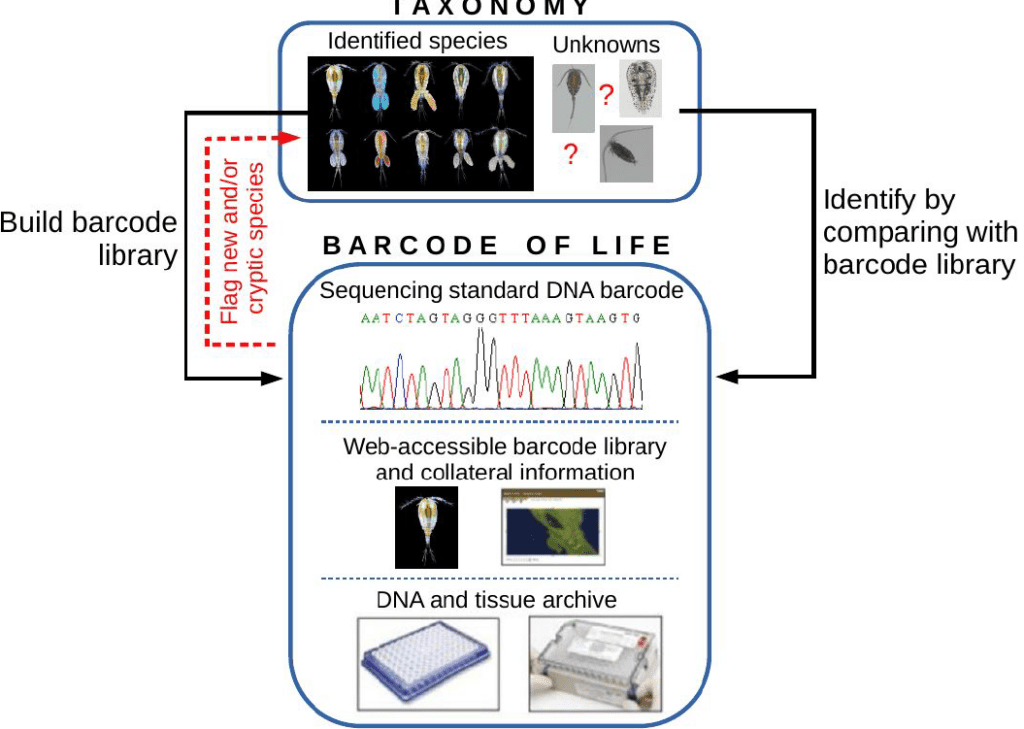
Environmental DNA (eDNA) from organisms is detectable in the environment, using shed material (skin, mucus, faeces etc.). It traces the presence of species without need for capture or direct observations.
Metric of Habitat Function
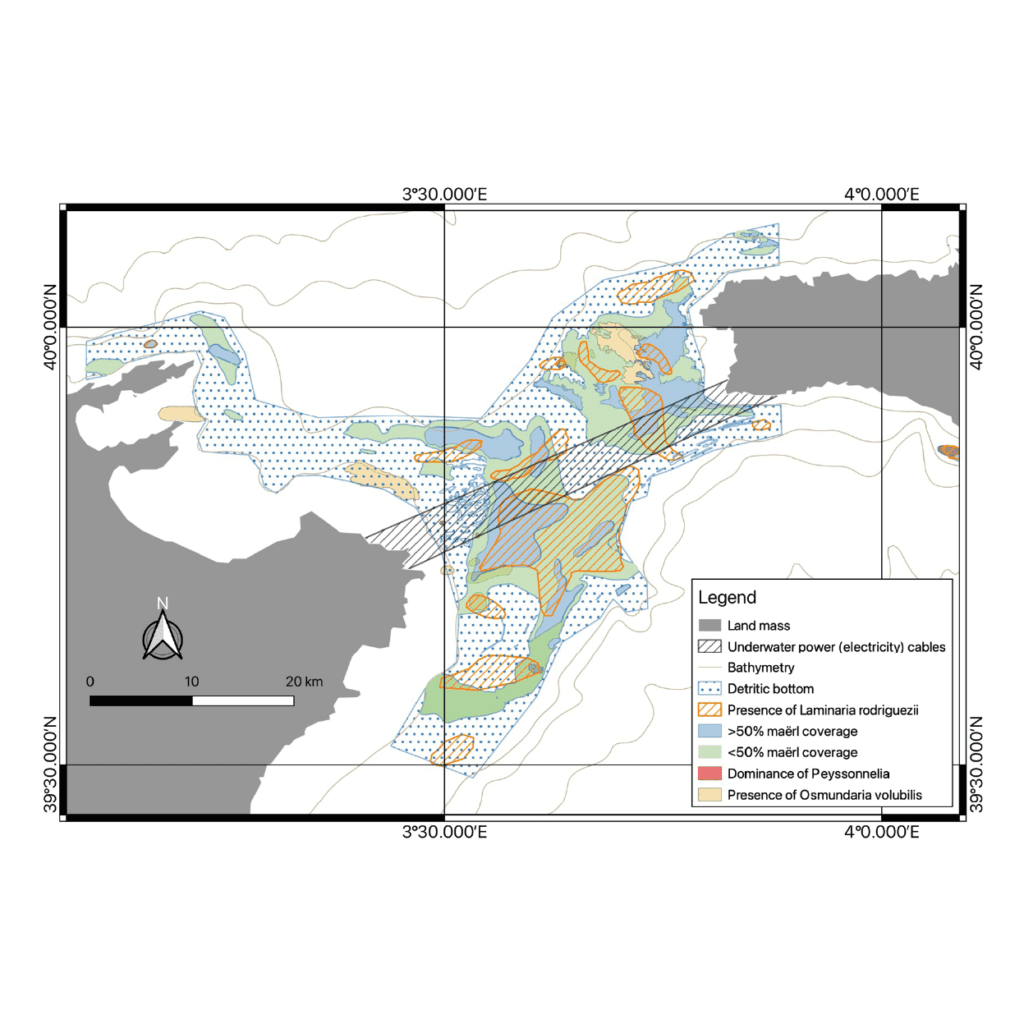
Assesses and visualises the capacity of benthic habitats to sustain key ecosystem functions across the seascape. Standardises the potential contribution of processes such as nutrient cycling, primary production, bioturbation and carbon storage.
HG&OG tool
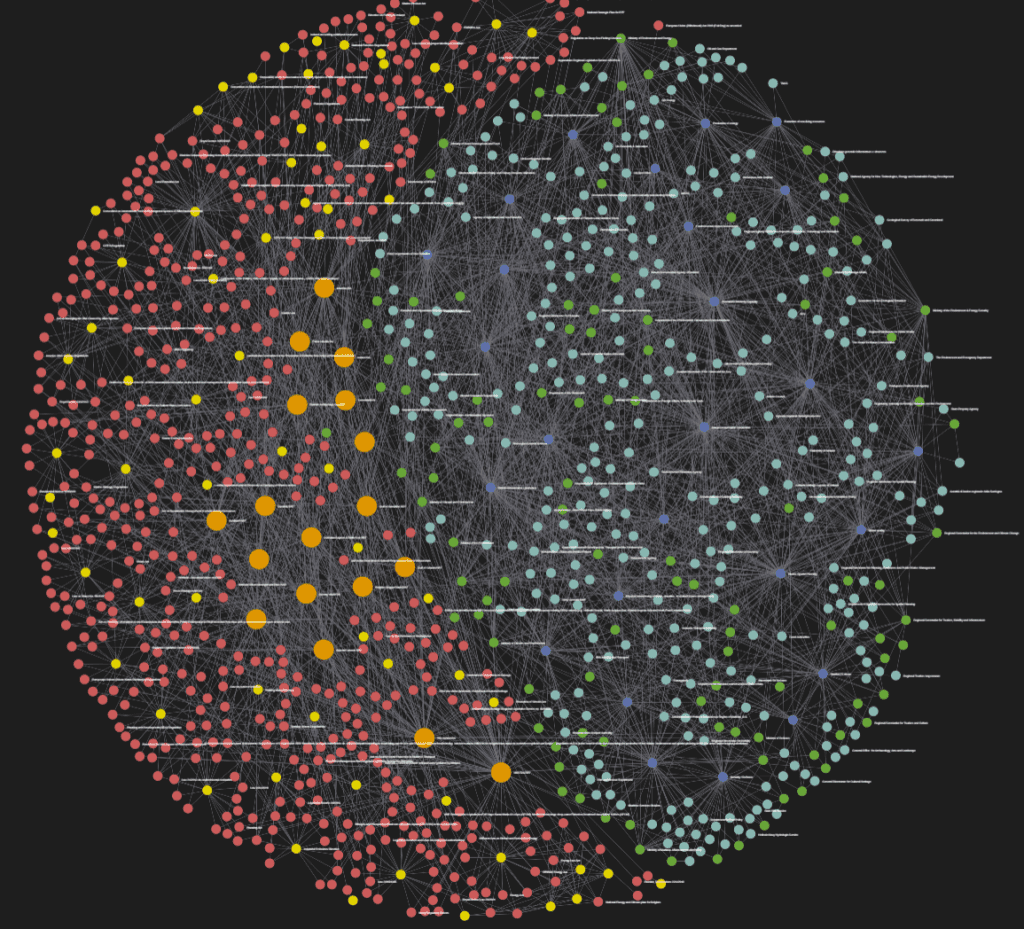
The HG&OG Tool is an interactive platform that visualizes connections between European legislation, organizations, policies, and MARBEFES BBTs, making complex governance relationships easier to explore and understand.