
Travel Cost

Estimates the recreational value of natural locations by analysing how much people will pay to visit it. The difference between the maximum amount a visitor is willing to pay for visiting the site and the actual cost incurred in traveling to the site is the “consumer surplus” and can be used as a monetary expression of the value of the site.
Alternative Futures
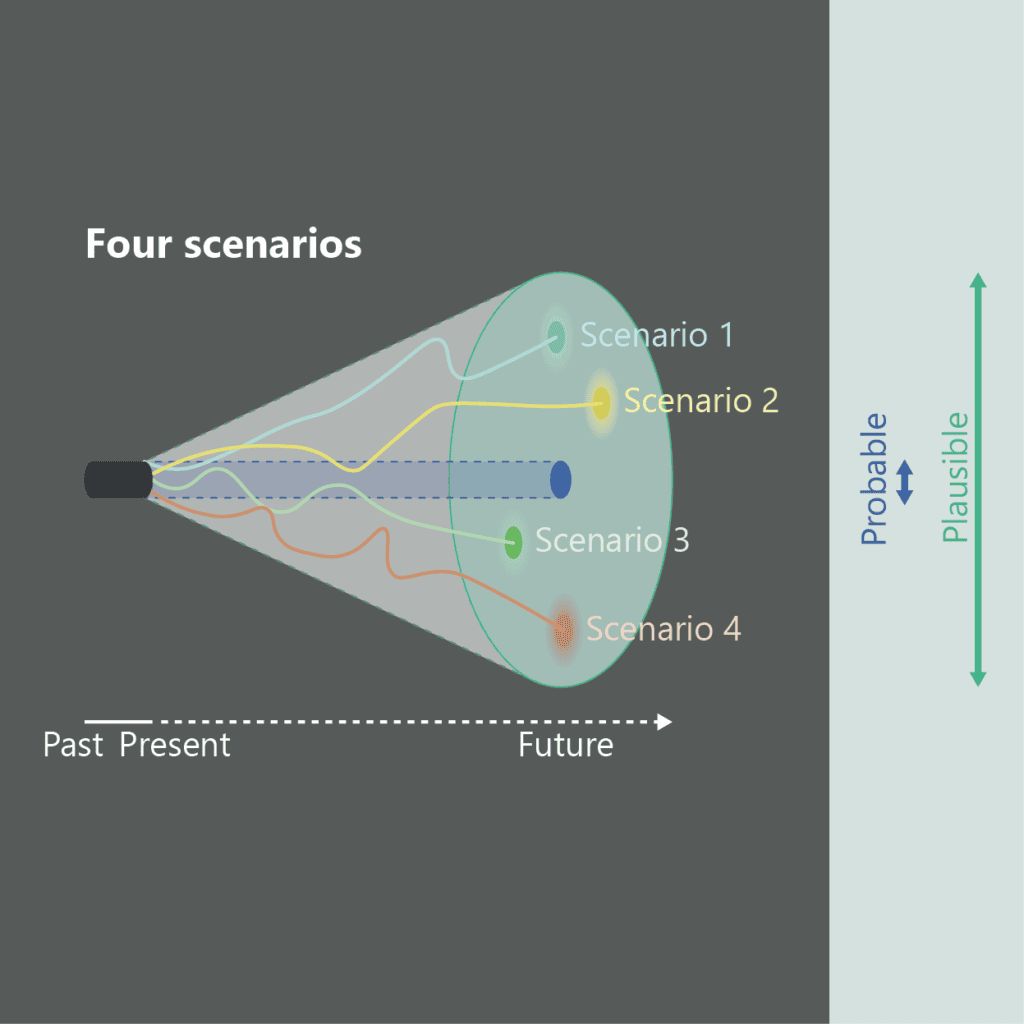
Takes current sets of environmental challenges and explores some of the possible future scenarios that plausibly may arise. It is a thought experiment to help promote and inform contingency planning for an uncertain future.
Physical Natural Capital Accounts
EUTROPY
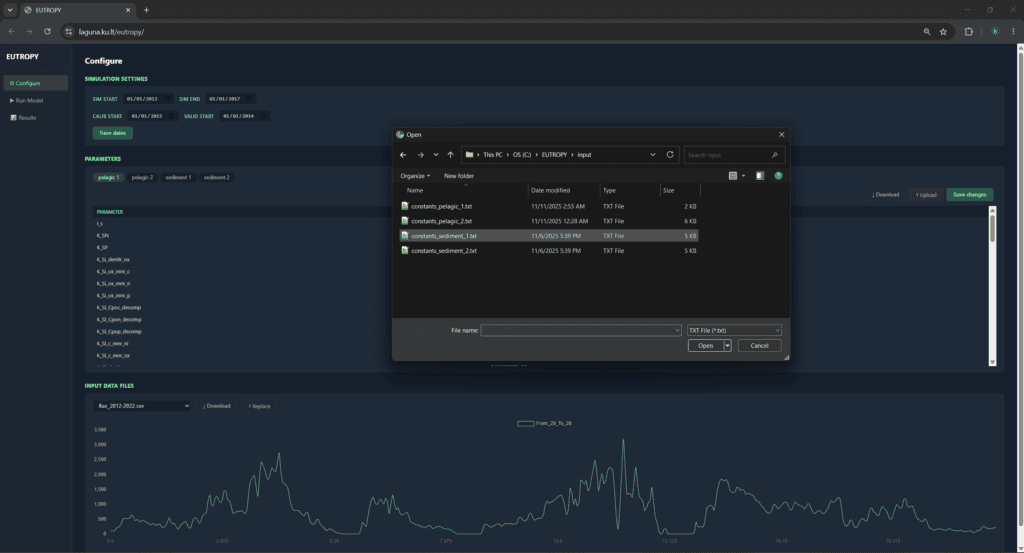
Model to integrate nutrient loading pathways, ecosystem responses, and management scenarios in aquatic systems. It provides simplified long-term simulations of scenarios across lakes, lagoons, estuaries, and coastal waters.
Ecological Value Assessment
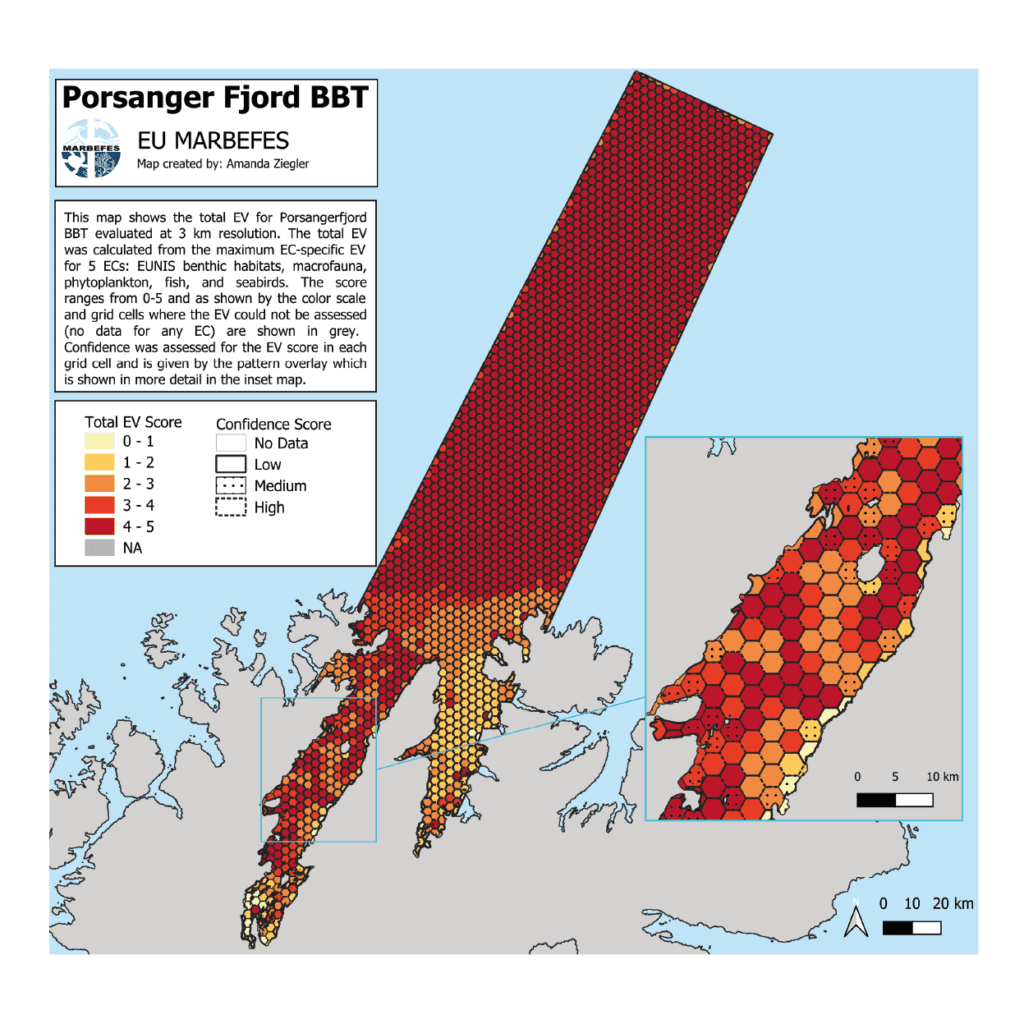
Assigning ecological value to an area through integration of the inherent value of the various ecosystem components, independent of human uses and is measured in non-monetary terms.
Ecological interaction networks
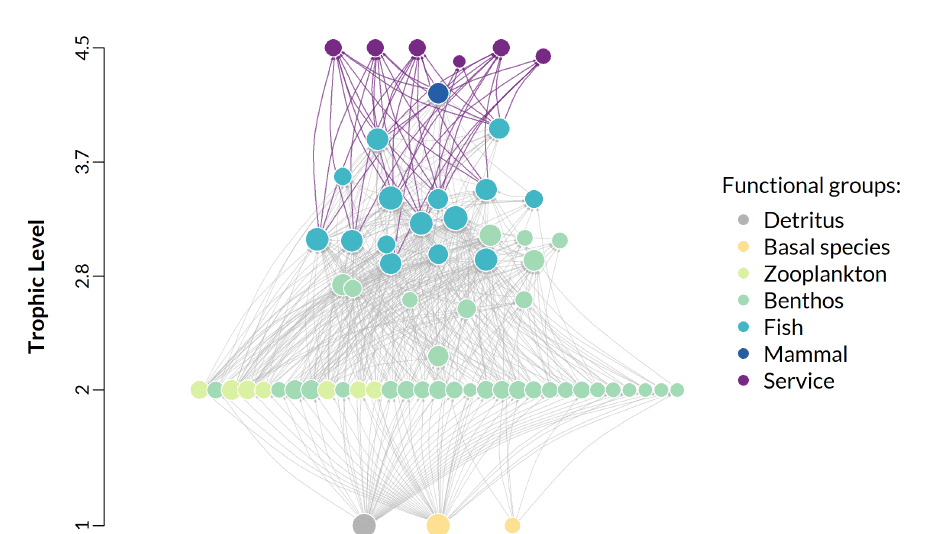
Based on known food-web interactions and highlights the relationship between structure (eg. topology) and functioning (energy fluxes) in marine ecological communities.
Multi-scale TBA
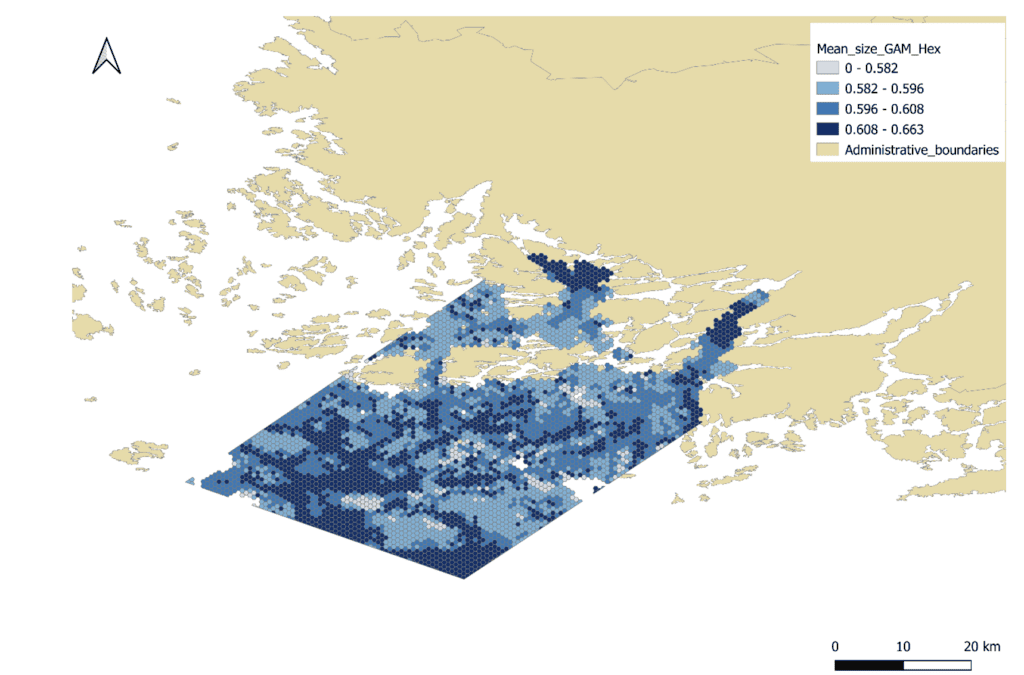
Traits are the life-behaviours of organisms (from single-celled plankton to large mammals). Their feeding and living modes are determined by their biological structure and combine to determine overall ecosystem function.
HG&OG tool
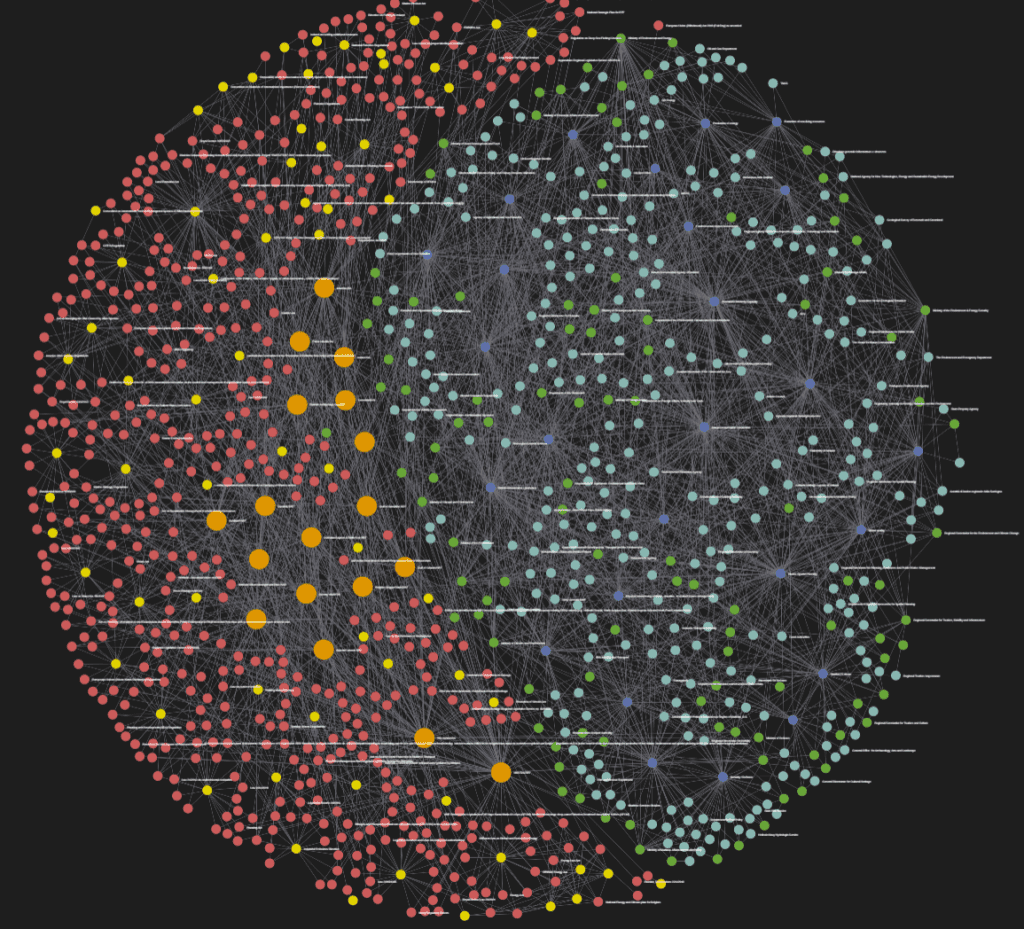
The HG&OG Tool is an interactive platform that visualizes connections between European legislation, organizations, policies, and MARBEFES BBTs, making complex governance relationships easier to explore and understand.