Complementary Accounting Network
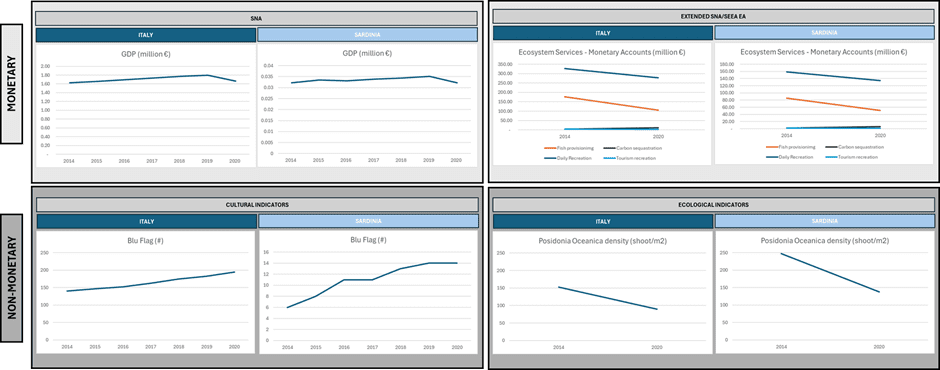
Combines both monetary and non-monetary aspects. Captures economic, ecological and socio-cultural dimensions (e.g., biodiversity and ecosystem services losses and gains, ecosystem health, inequality) over time at both national, regional or local scales.
EcoSEM
A simplified and highly visual representation of the different cause-and-effect relationships among the environmental components from which ecosystem function and services emerge.
Alternative Futures
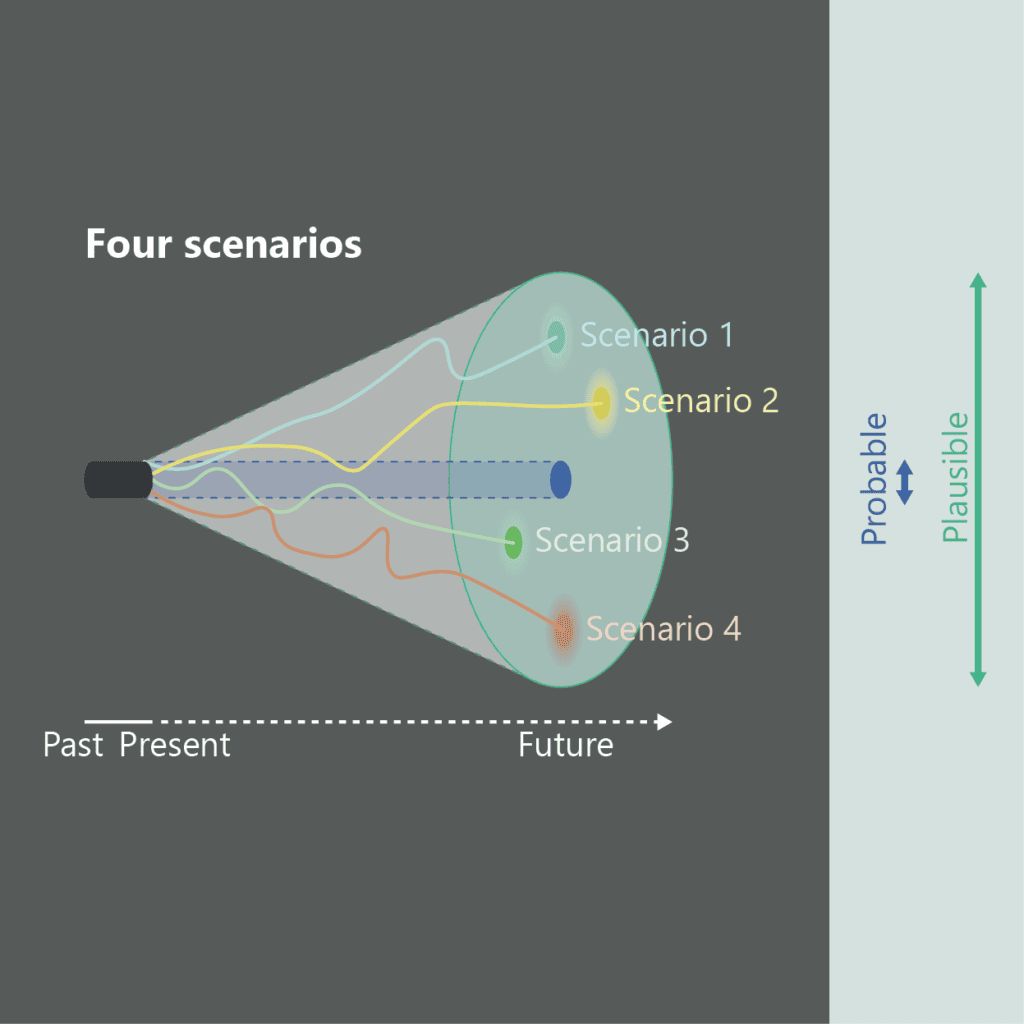
Takes current sets of environmental challenges and explores some of the possible future scenarios that plausibly may arise. It is a thought experiment to help promote and inform contingency planning for an uncertain future.
Bow-Tie Analysis

A structured risk and opportunity assessment methodology, based on ISO-accredited industry standards to analyse causes, consequences, and management options for biodiversity change in marine and coastal systems.
Physical Natural Capital Accounts
EcoFunMAP + PlanWise4Blue
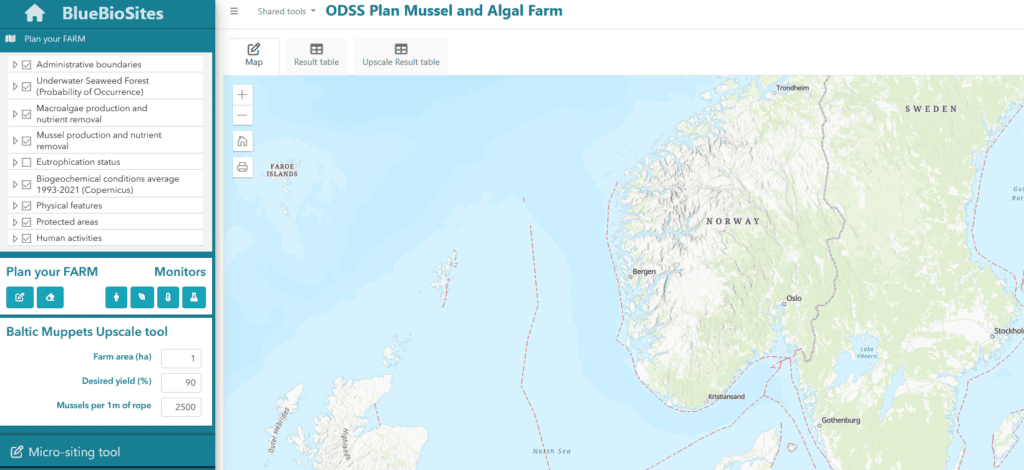
A cumulative impact assessment tool that combines with EcoFunMAP (Food Web-based Ecosystem Functioning Mapping and Assessment Platform). Integrates food-web modelling with species biomass to map indicators of food-web structure, stability, and functioning at scales relevant for marine spatial planning.
B4M
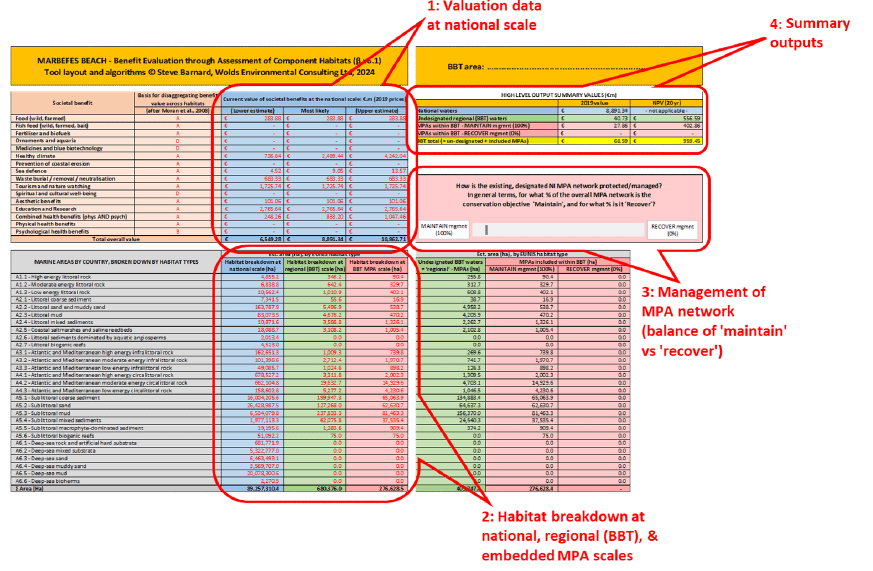
Uses a published methodology for estimating the value of marine environments at sub-national scales, for management purposes. Integrates natural capital accounting with spatial mapping of marine habitats, based on understanding of the links between habitats and ecosystem services.
Benefit Transfer
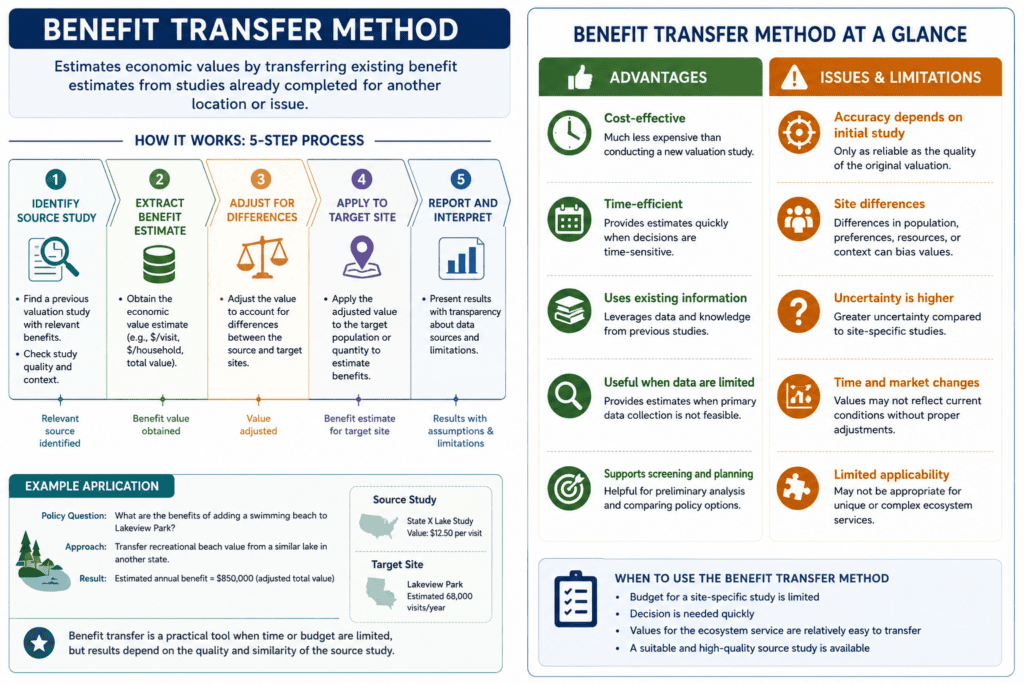
A set of techniques to estimate the economic value of non-market ecosystem services at a target site.
EVTool
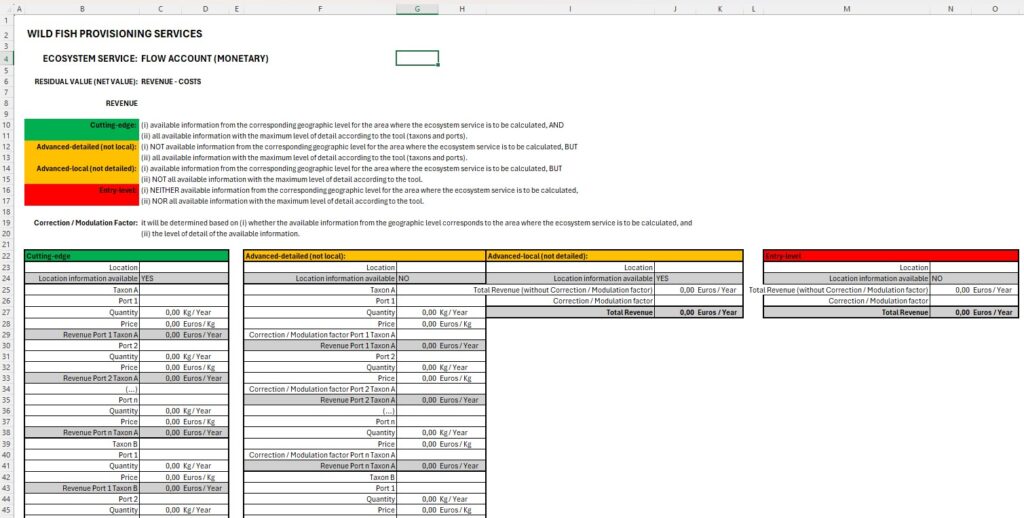
A simplified instrument for estimating the value of ecosystem services adapted to the available information. Three categories are considered: 1) provisioning (wild fish), 2) regulating and maintenance (global climate regulation) and 3) cultural (recreation and visual amenity).
EUTROPY
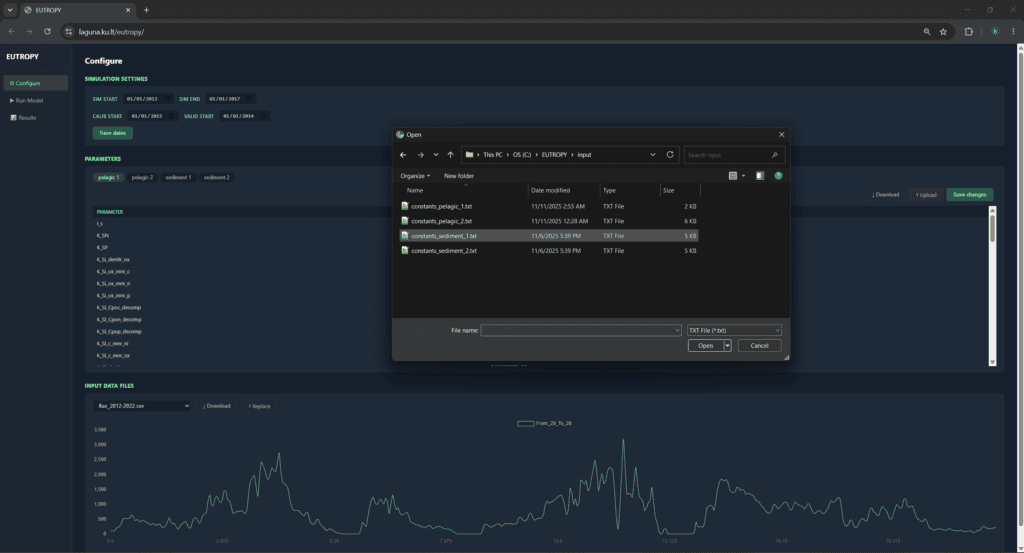
Model to integrate nutrient loading pathways, ecosystem responses, and management scenarios in aquatic systems. It provides simplified long-term simulations of scenarios across lakes, lagoons, estuaries, and coastal waters.