
Travel Cost

Estimates the recreational value of natural locations by analysing how much people will pay to visit it. The difference between the maximum amount a visitor is willing to pay for visiting the site and the actual cost incurred in traveling to the site is the “consumer surplus” and can be used as a monetary expression of the value of the site.
Stated Preference Methods
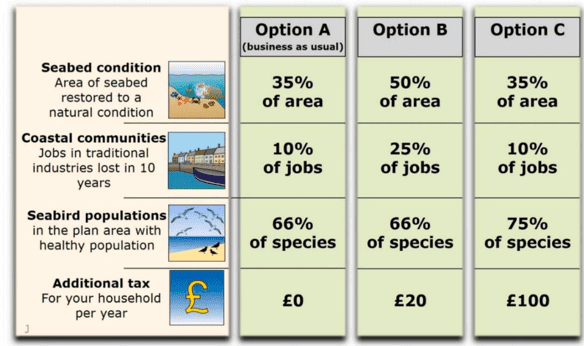
Questionnaire-based assessment of non-market valuation of environmental goods or services in a hypothetical market, such as improvements in water quality or biodiversity associated with an intervention policy. Willingness to pay (WTP) for the good is estimated using statistical procedures.
EcoSEM

A simplified and highly visual representation of the different cause-and-effect relationships among the environmental components from which ecosystem function and services emerge.
EVTool
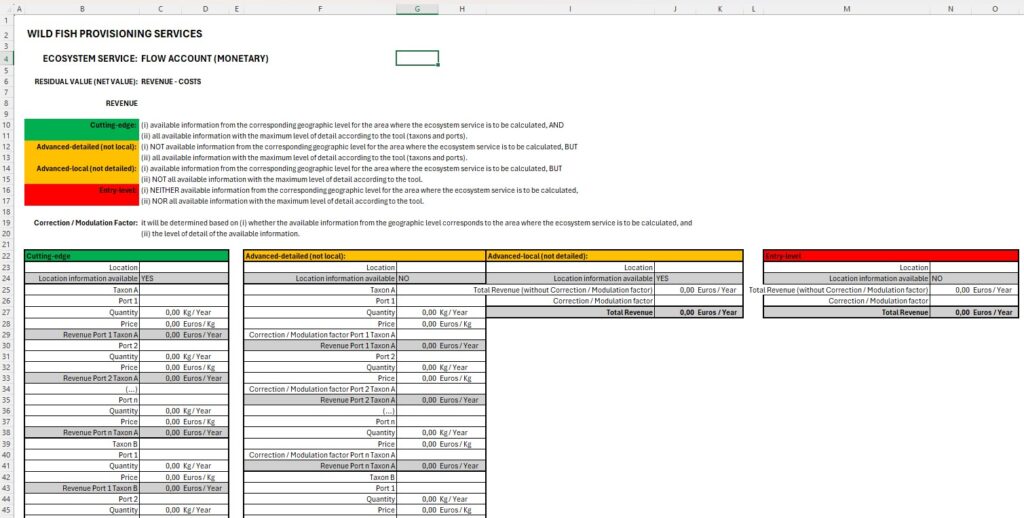
A simplified instrument for estimating the value of ecosystem services adapted to the available information. Three categories are considered: 1) provisioning (wild fish), 2) regulating and maintenance (global climate regulation) and 3) cultural (recreation and visual amenity).
eDNA
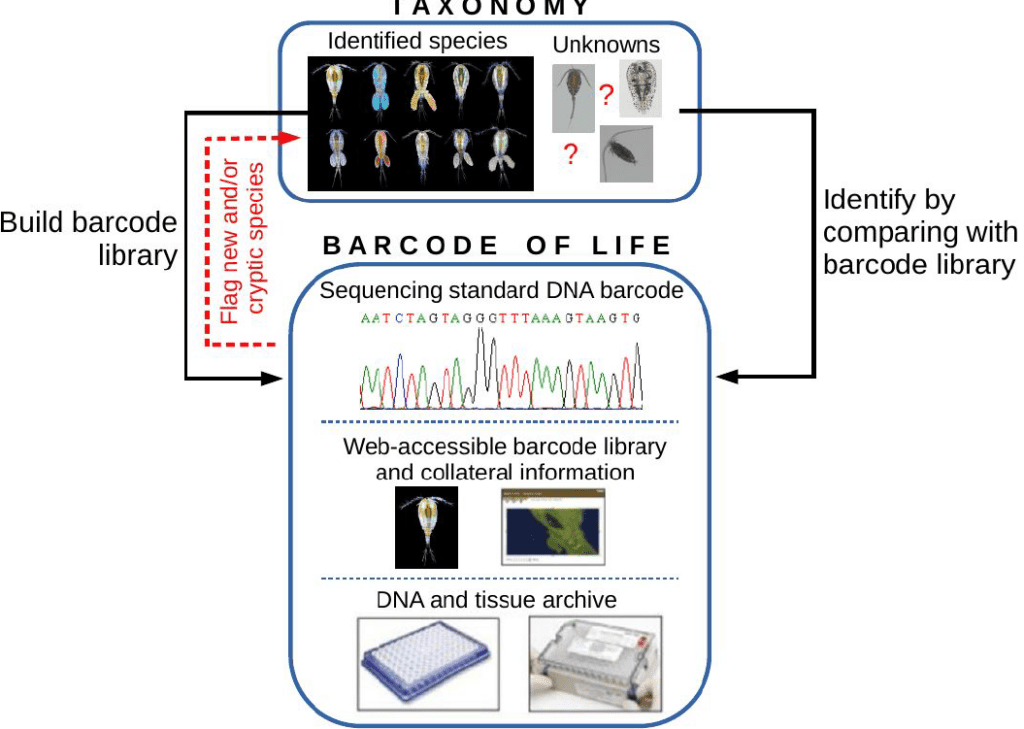
Environmental DNA (eDNA) from organisms is detectable in the environment, using shed material (skin, mucus, faeces etc.). It traces the presence of species without need for capture or direct observations.
Ecological Value Assessment
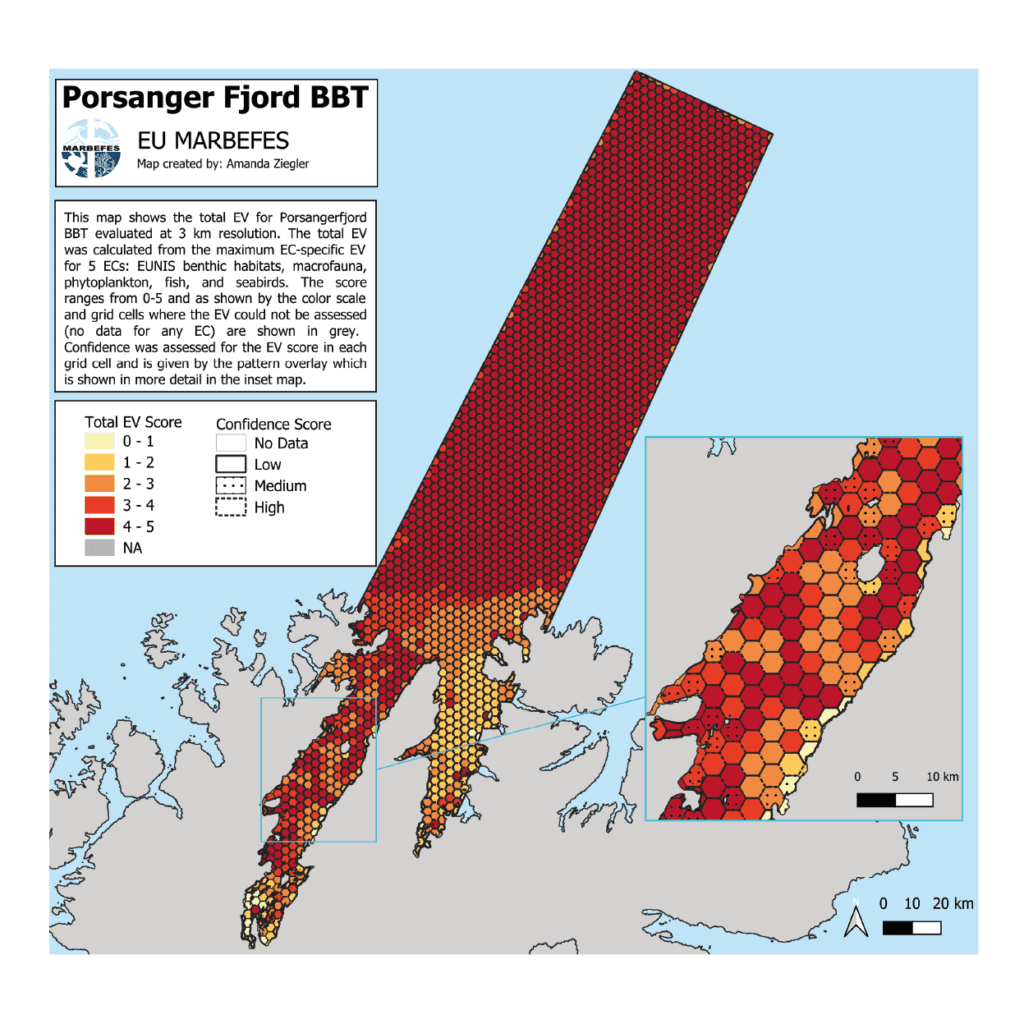
Assigning ecological value to an area through integration of the inherent value of the various ecosystem components, independent of human uses and is measured in non-monetary terms.
Metric of Habitat Function
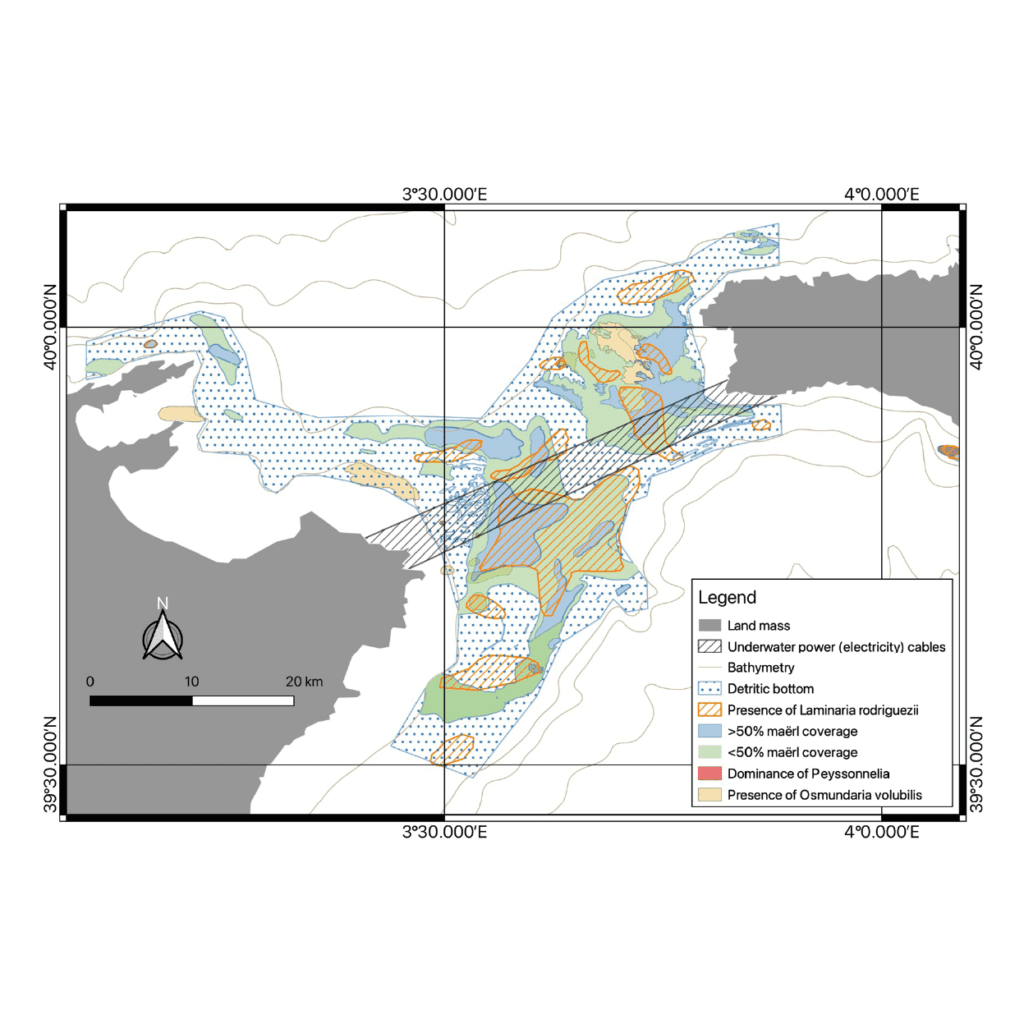
Assesses and visualises the capacity of benthic habitats to sustain key ecosystem functions across the seascape. Standardises the potential contribution of processes such as nutrient cycling, primary production, bioturbation and carbon storage.
Ecological interaction networks
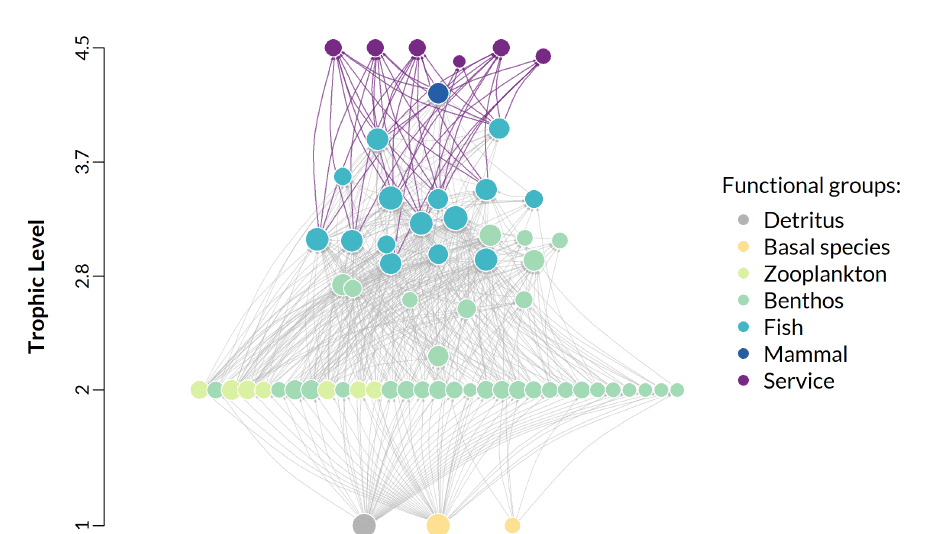
Based on known food-web interactions and highlights the relationship between structure (eg. topology) and functioning (energy fluxes) in marine ecological communities.