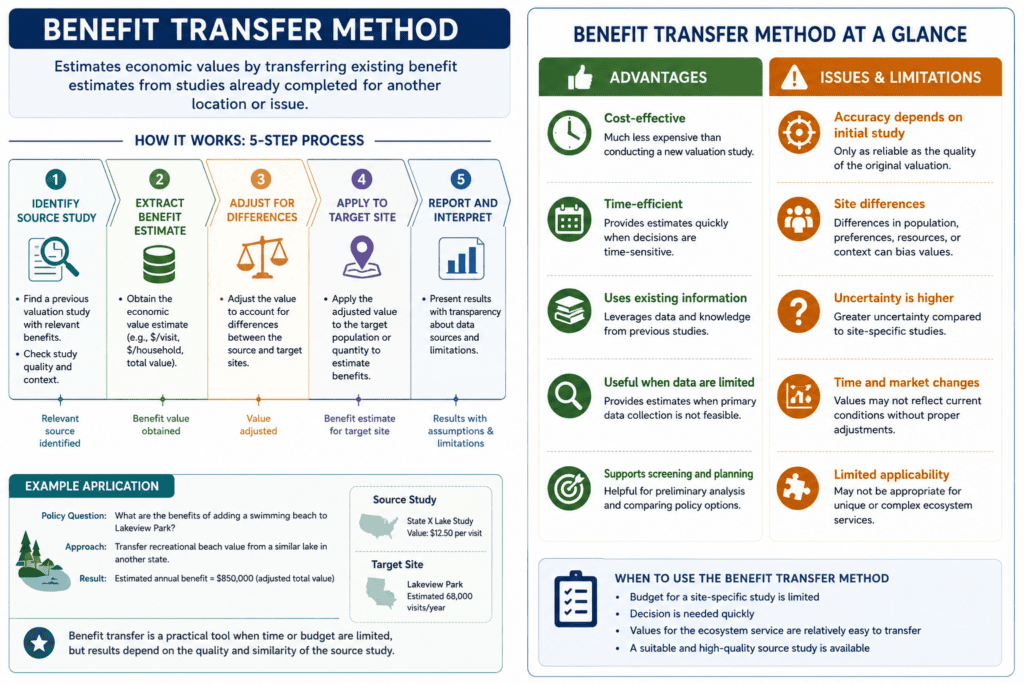
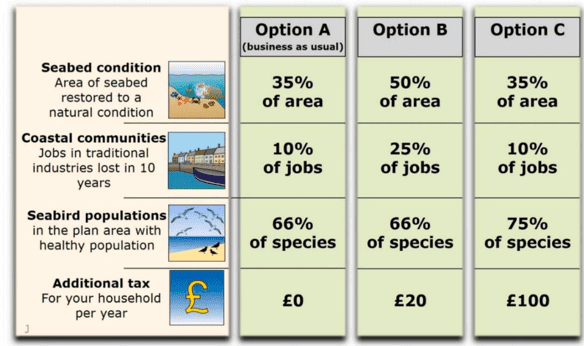
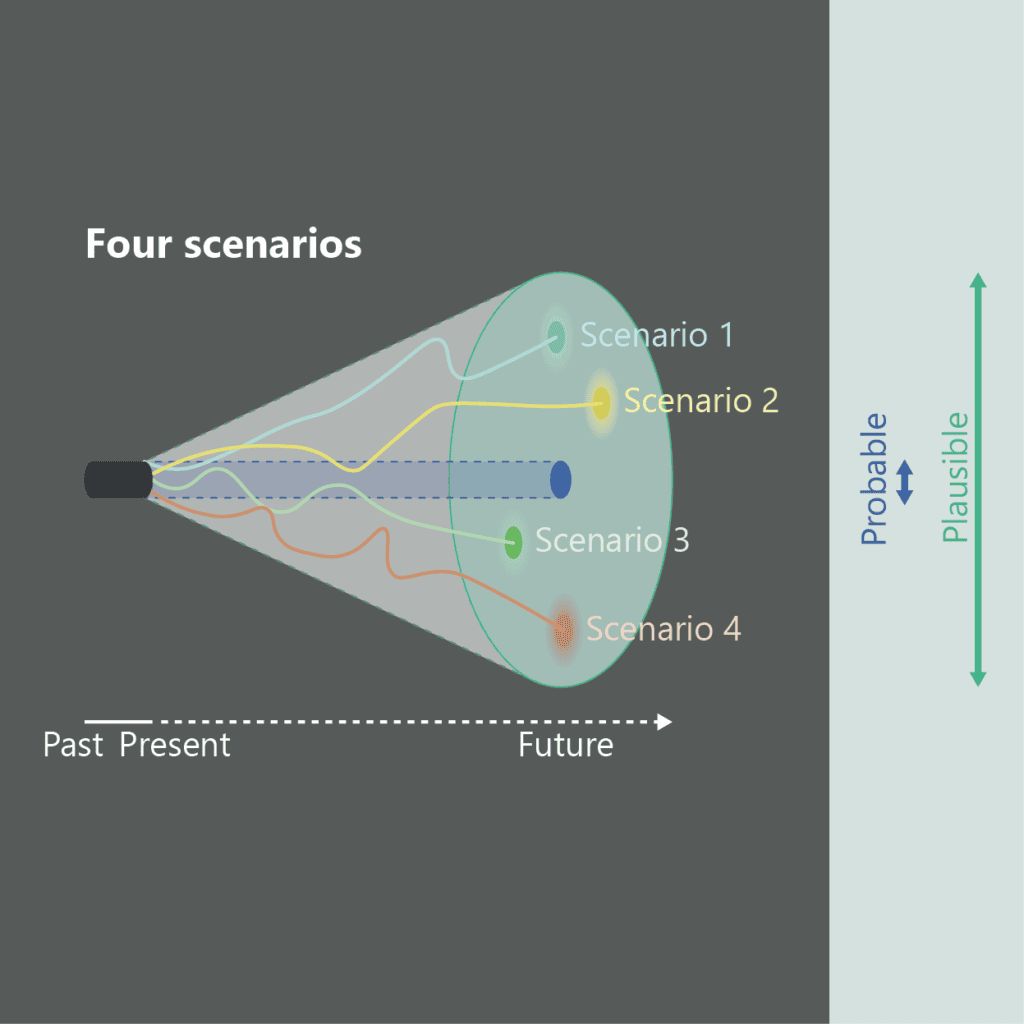
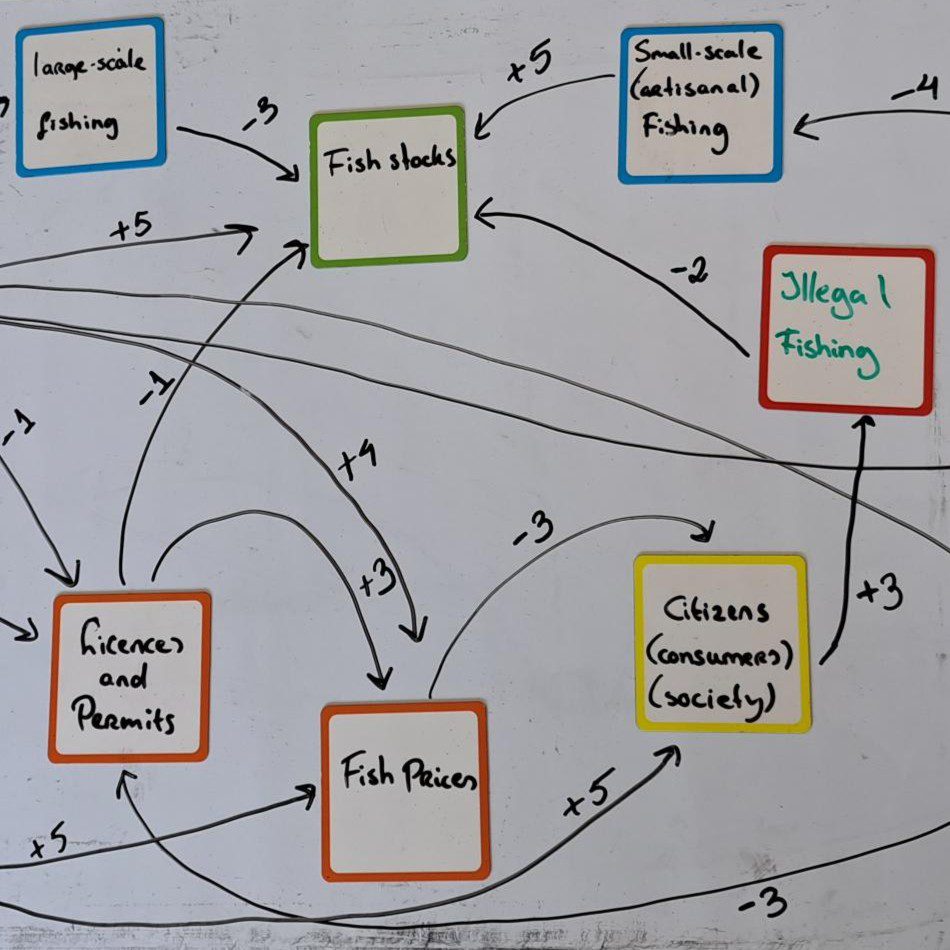
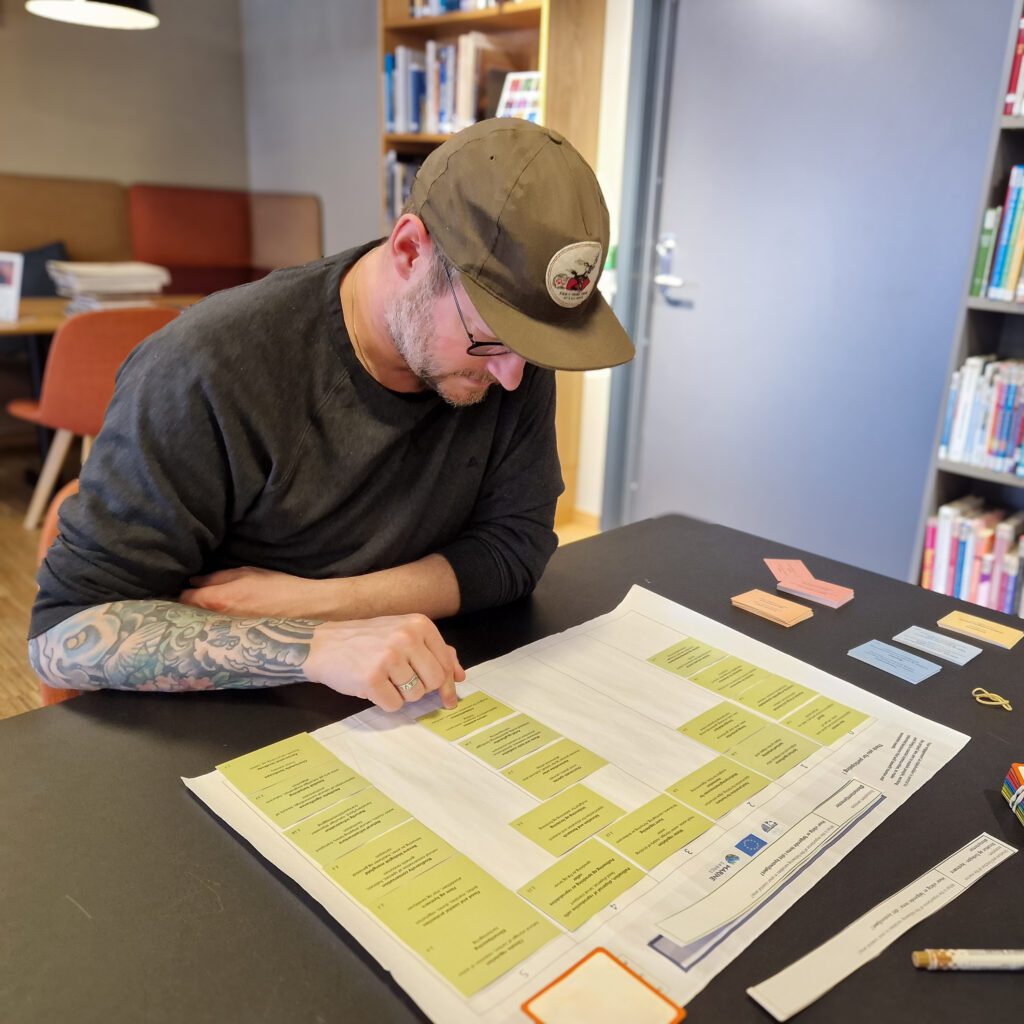
A structured risk and opportunity assessment methodology, based on ISO-accredited industry standards to analyse causes, consequences, and management options for biodiversity change in marine and coastal systems.
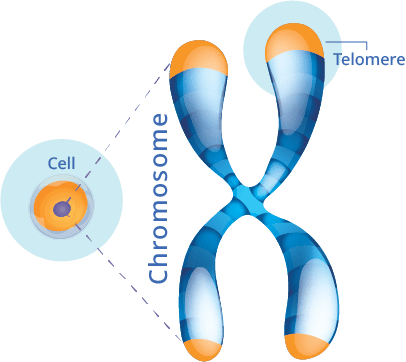
Telomeres are the end-part of chromosomes and protect them from progressive degradation. Stress can lead to telomere shortening, in turn causing accelerated physical ageing and decreasing lifespan. Measuring this can indicate sub-lethal stress.
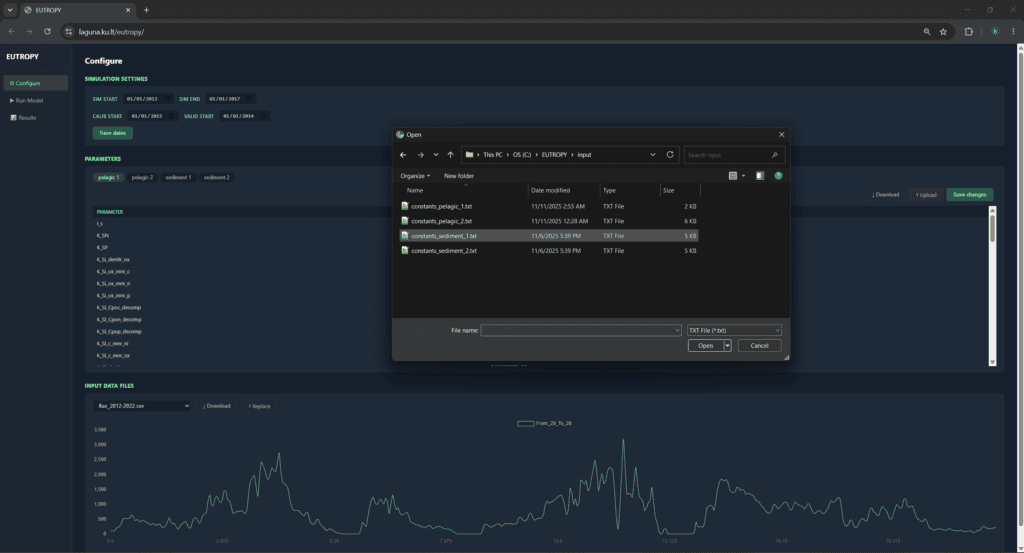
Model to integrate nutrient loading pathways, ecosystem responses, and management scenarios in aquatic systems. It provides simplified long-term simulations of scenarios across lakes, lagoons, estuaries, and coastal waters.
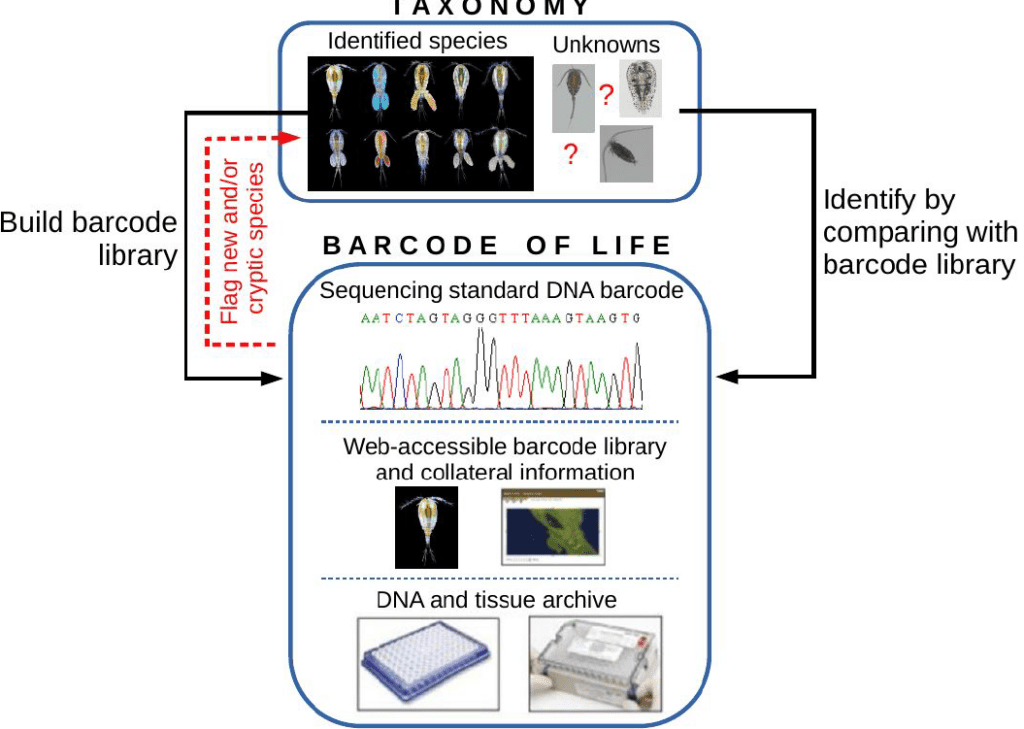
Environmental DNA (eDNA) from organisms is detectable in the environment, using shed material (skin, mucus, faeces etc.). It traces the presence of species without need for capture or direct observations.
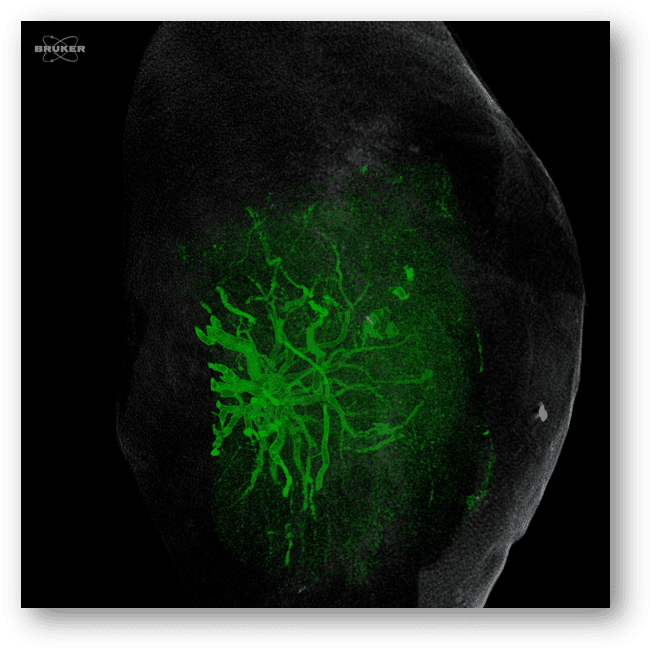
An X-ray imaging technique to produce 3D visualization of both internal and external structures of marine organisms (plankton, sponges etc.). It can provide insights on changes in key species functions (filtration, reef-building etc.) in response to environmental changes.