
Monetary natural capital accounting

Travel Cost
Estimates the recreational value of natural locations by analysing how much people will pay to visit it. The difference between the maximum amount a visitor is willing to pay for visiting the site and the actual cost incurred in traveling to the site is the “consumer surplus” and can be used as a monetary expression of the value of the site.
Stated Preference Methods
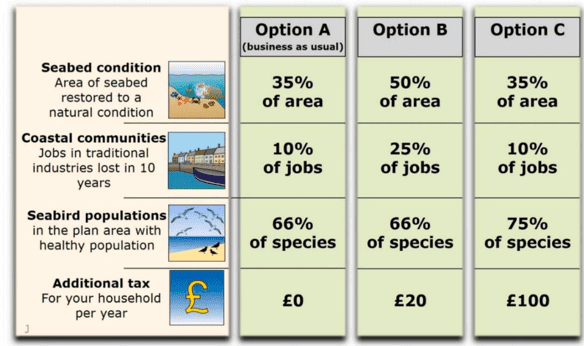
Questionnaire-based assessment of non-market valuation of environmental goods or services in a hypothetical market, such as improvements in water quality or biodiversity associated with an intervention policy. Willingness to pay (WTP) for the good is estimated using statistical procedures.
Complementary Accounting Network
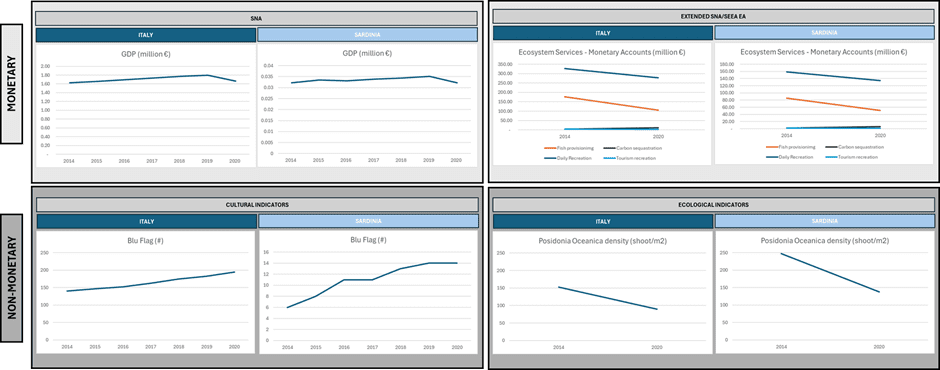
Combines both monetary and non-monetary aspects. Captures economic, ecological and socio-cultural dimensions (e.g., biodiversity and ecosystem services losses and gains, ecosystem health, inequality) over time at both national, regional or local scales.
Hedonic Pricing
Ecological vulnerability appraisal
EcoSEM

A simplified and highly visual representation of the different cause-and-effect relationships among the environmental components from which ecosystem function and services emerge.
Deriving faunal function from Zooscan imagery
Digital scanning of individual organisms to calculate size and biomass. This then can be collated with feeding and respiration information to provide improved estimates of population dynamics and overall ecosystem functioning.
Alternative Futures
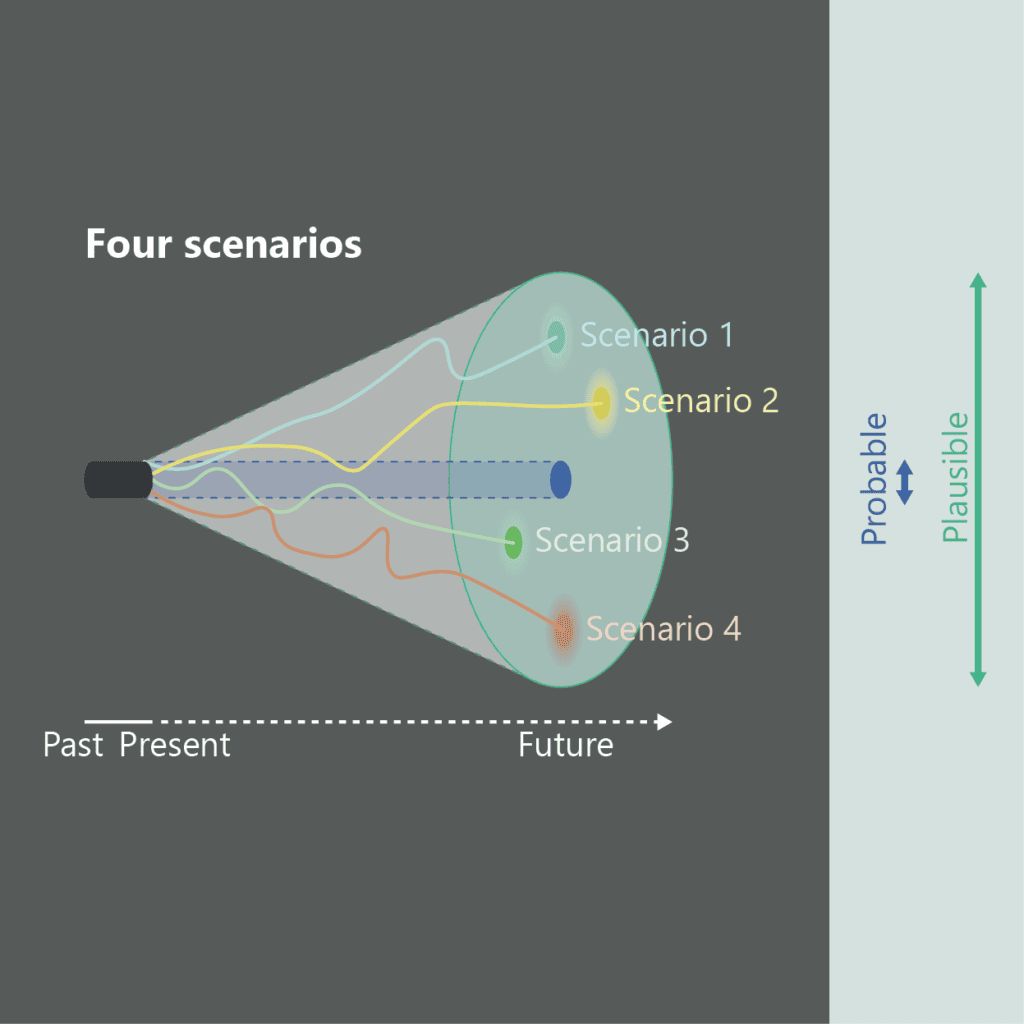
Takes current sets of environmental challenges and explores some of the possible future scenarios that plausibly may arise. It is a thought experiment to help promote and inform contingency planning for an uncertain future.
FCM Interviews
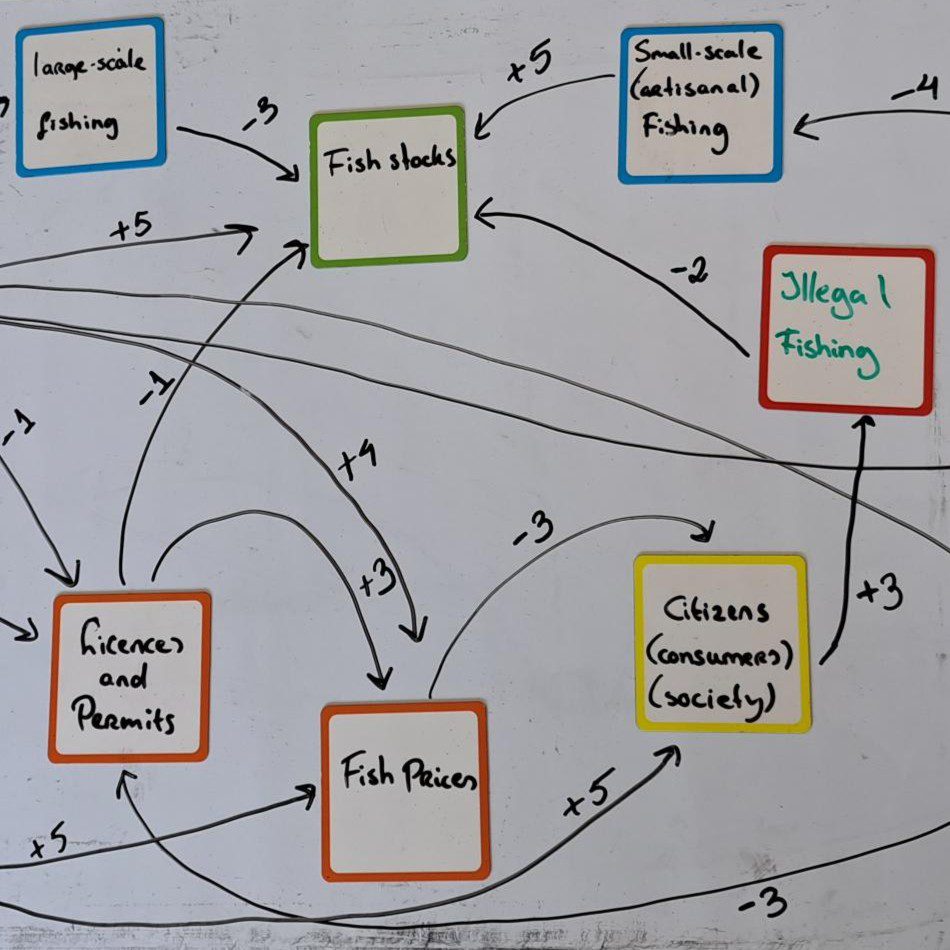
Based on individual interviews and analogue group sessions, compiles experiences and perceptions of the quadruple helix of human societal roles regarding relationships between Nature, Society and Economy. Fuzzy cognitive coding used to illustrate trends.