
Travel Cost

Estimates the recreational value of natural locations by analysing how much people will pay to visit it. The difference between the maximum amount a visitor is willing to pay for visiting the site and the actual cost incurred in traveling to the site is the “consumer surplus” and can be used as a monetary expression of the value of the site.
Stated Preference Methods
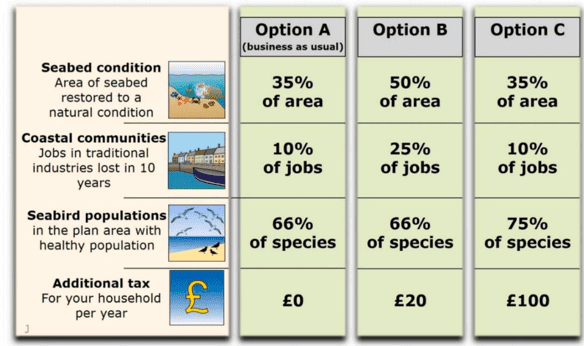
Questionnaire-based assessment of non-market valuation of environmental goods or services in a hypothetical market, such as improvements in water quality or biodiversity associated with an intervention policy. Willingness to pay (WTP) for the good is estimated using statistical procedures.
Hedonic Pricing
Benefit Transfer
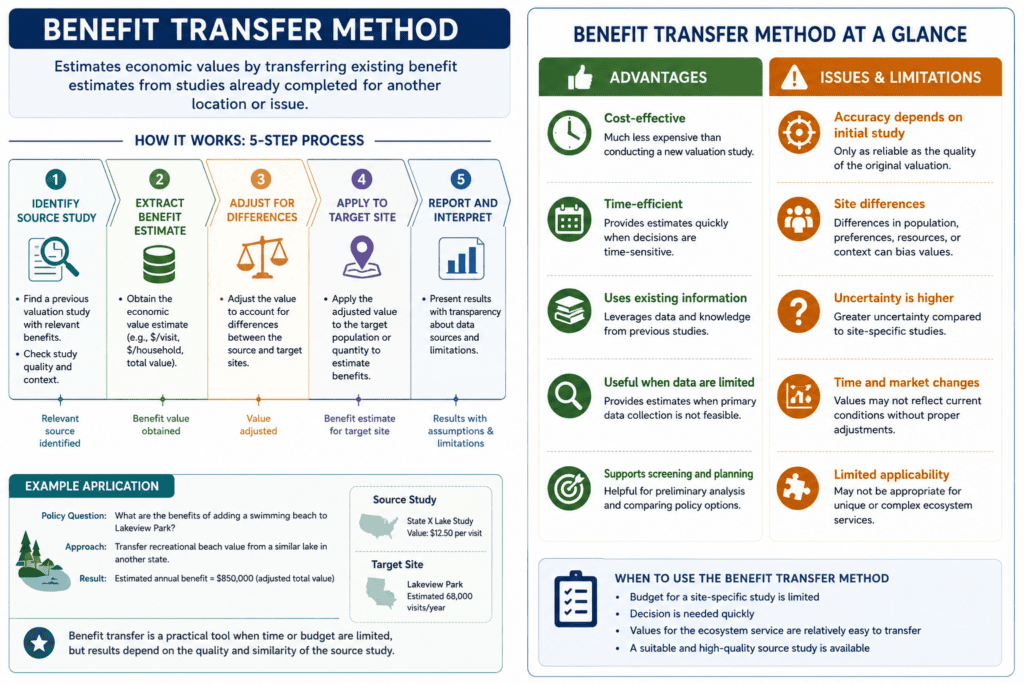
A set of techniques to estimate the economic value of non-market ecosystem services at a target site.
EVTool
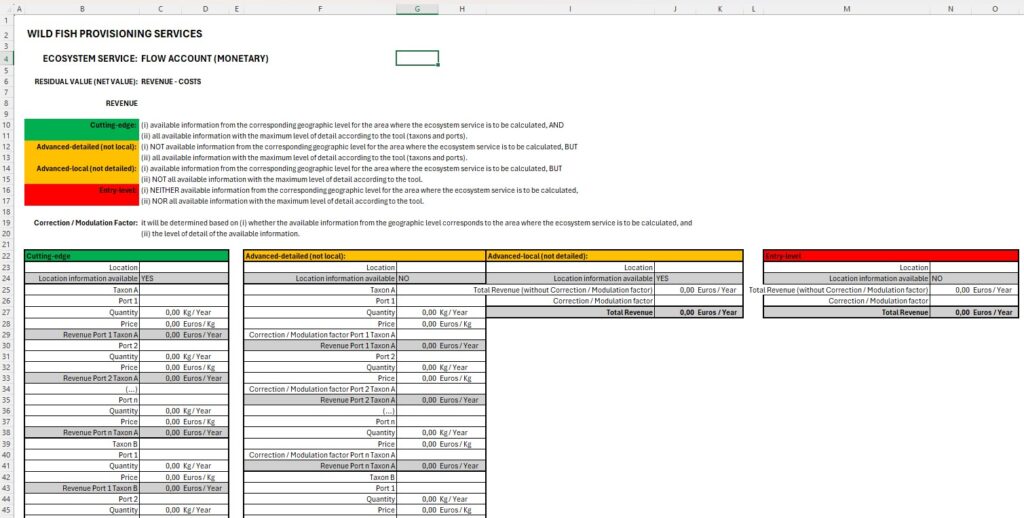
A simplified instrument for estimating the value of ecosystem services adapted to the available information. Three categories are considered: 1) provisioning (wild fish), 2) regulating and maintenance (global climate regulation) and 3) cultural (recreation and visual amenity).